
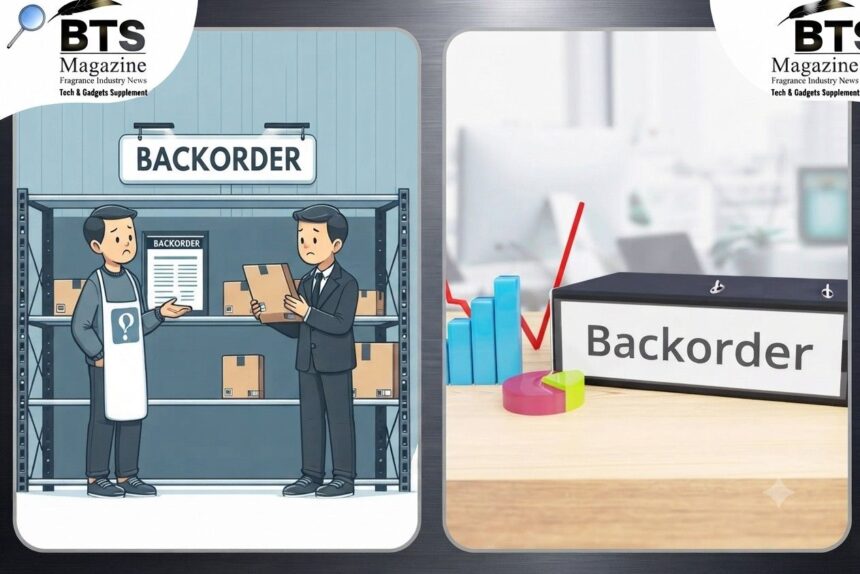
Ever tried to buy something online, clicked “add to cart,” and then noticed a little note saying the item is on backorder? That’s exactly What Is a Backorder we’re talking about here. A backorder is basically a way to buy a product that isn’t in stock right now but will be available later.
- What Does a Backorder Actually Mean?
- How Do Backorders Work?
- Why Do Backorders Happen? Common Causes
- Backorder vs. Out-of-Stock: What’s the Difference?
- How Backorders Affect Customers
- How Backorders Affect Businesses
- How to Manage Backorders the Right Way
- Smart Tips for Shoppers Dealing With a Backorder
- Backorders and the Bigger Supply Chain Picture
- Are Backorders a Bad Thing?
- Quick Recap: Backorder Basics
- Final Thoughts
Here’s the thing — backorders are everywhere. From sneakers to phone cases to car parts, they pop up all the time. And once you understand how they work, you’ll shop a lot smarter.
Let’s break it all down in plain English.
What Does a Backorder Actually Mean?
A backorder happens when you place an order for a product that a seller doesn’t currently have in stock. Instead of turning you away, the seller accepts your order and ships it once the item is back.
So you’ve paid (or committed to buy), but you’re waiting. The company promises to fulfill it as soon as the product comes in.
To be honest, it’s a bit like reserving your spot in line before the shelves get restocked.
How Do Backorders Work?
The process is simpler than most people think. Here’s the usual flow.
Step 1: You Place the Order
You buy an item that’s marked “on backorder.” The store logs your order and adds it to a waiting list.
Step 2: The Seller Restocks
The company orders more stock from its supplier or manufacturer. This is where the wait time comes in.
Step 3: Your Item Ships
Once the product arrives at the warehouse, the seller ships it to you. Usually, backorders get fulfilled in the order they came in — first come, first served.
What’s interesting is that some stores charge you right away, while others only charge when the item ships. Always check that part before you buy.
Why Do Backorders Happen? Common Causes
A backorder doesn’t mean a company is disorganized. Lots of normal things can trigger one.
High Demand
Sometimes a product just blows up. A viral TikTok or a holiday rush can wipe out inventory faster than a store can restock.
Supply Chain Delays
Shipping problems, factory slowdowns, or raw material shortages can all slow things down. When suppliers can’t deliver on time, backorders pile up.
Poor Inventory Planning
Not every business predicts demand perfectly. If they underestimate how much people want something, they run out — and a backorder is born.
Seasonal Spikes
Think holiday gifts or summer gear. Certain items sell hard during specific times of the year, and stock can’t always keep up.
Backorder vs. Out-of-Stock: What’s the Difference?
People mix these two up all the time, so let’s clear it up.
An “out-of-stock” item means you simply can’t buy it right now. The listing might say “sold out” and won’t let you check out.
A backorder, on the other hand, still lets you place the order. The store knows more stock is coming, so it takes your order in advance.
Here’s the simple way to remember it: out-of-stock closes the door, while a backorder keeps it open with a “back soon” sign.
How Backorders Affect Customers
Let’s be real — waiting isn’t fun. But backorders have both good and not-so-good sides for shoppers.
The Upside
You lock in the product before it sells out again. For hot items, that’s a big win. You also secure your price, which matters if costs are rising.
The Downside
The main issue is uncertainty. Delivery dates can shift, and sometimes the wait stretches longer than promised. That’s frustrating when you needed the item fast.
How Backorders Affect Businesses
Backorders aren’t just a customer thing. They shape how a business runs, too.
Keeping Sales Alive
Instead of losing a sale when stock runs out, a company can still capture the order. That’s revenue it would’ve missed otherwise.
Managing Customer Trust
Here’s the tricky part. If a backorder drags on, customers get annoyed and may cancel. Clear communication keeps people patient and loyal.
Cash Flow and Planning
Backorders give businesses useful data. They show real demand, which helps with smarter restocking and inventory management down the road.
How to Manage Backorders the Right Way
If you run a store, handling backorders well can make or break the experience. A few things really matter.
Be Honest About Timelines
Give customers a realistic delivery estimate. Overpromising and underdelivering is the fastest way to lose trust.
Send Regular Updates
Nobody likes silence. A quick email saying “your backorder is still on track” goes a long way.
Offer Flexible Options
Let customers cancel, swap for a similar product, or get a partial shipment. Choices keep people happy while they wait.
Track Inventory Closely
Good inventory management software helps predict demand and reduces how often you hit a backorder in the first place.
Smart Tips for Shoppers Dealing With a Backorder
If you’re the one buying, a few simple habits can save you headaches.
Read the Fine Print
Check the estimated ship date before you commit. Some backorders take days, others take weeks.
Confirm the Charge Policy
Find out if you’re paying now or later. This matters for your budget, especially with pricey items.
Keep Your Confirmation Email
Save proof of your order and the promised timeline. If things go sideways, you’ll have it handy.
Have a Backup Plan
If you need the item by a certain date, it’s smart to look for the same product elsewhere just in case.
Backorders and the Bigger Supply Chain Picture
A single backorder connects to a much larger system. Every product you buy travels through a supply chain — from raw materials to factories to warehouses to your doorstep.
When one link slows down, backorders ripple outward. That’s why global events, like shipping jams or material shortages, can suddenly affect the stuff sitting in your online cart.
What’s interesting is that backorders often act like an early warning sign. They tell businesses where demand is high and where their supply chain needs attention.
Are Backorders a Bad Thing?
Not really. A backorder isn’t automatically a red flag.
Sometimes it just means a product is popular. Other times it points to supply hiccups that are totally out of the seller’s control.
The key is how the company handles it. Clear updates and honest timelines make a backorder feel like a minor delay instead of a dealbreaker.
Quick Recap: Backorder Basics
Let’s tie it all together with a fast summary.
- A backorder lets you buy an item that’s temporarily out of stock.
- Your order ships once the seller restocks.
- Causes include high demand, supply delays, and planning gaps.
- It’s different from “out-of-stock,” which blocks the purchase entirely.
- Good communication makes the whole experience smoother.
Final Thoughts
Backorders are just a normal part of how modern shopping works. Once you know what a backorder is and how it works, those “back soon” notes won’t catch you off guard anymore.
The next time you spot one, you can decide with confidence — wait it out or shop elsewhere. And if you want to dig into the technical side of stock shortages and why they happen, this Wikipedia page on stockouts is a solid place to learn more about the concept behind backorders and inventory gaps.
Continue reading: Cumulative Abnormal Return Calculation: A Simple Guide to Understanding CAR in Finance