
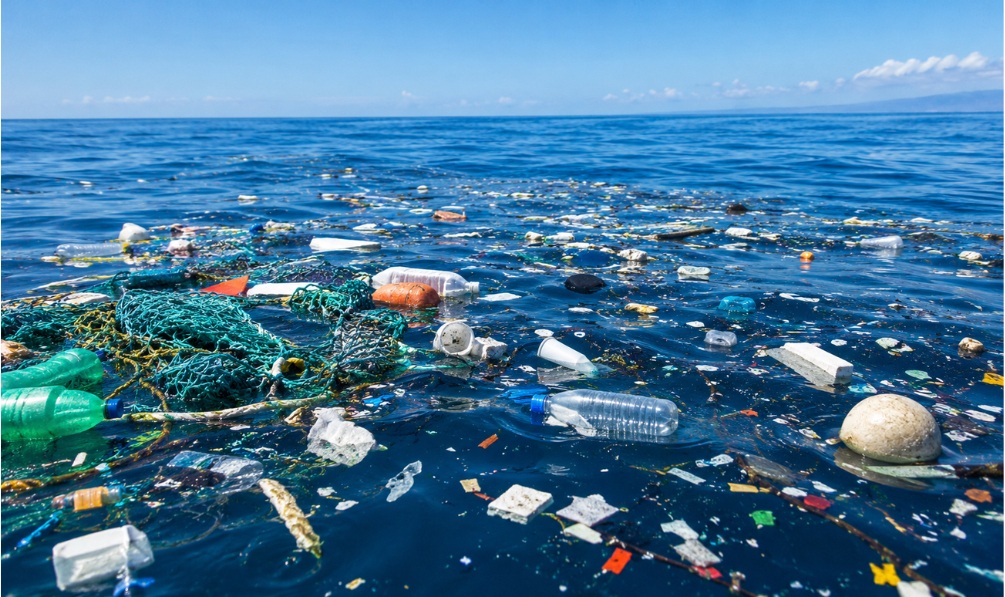
The phrase “Pacific rubbish dump” is commonly associated with the Great Pacific Garbage Patch, an area of the North Pacific Ocean where plastic waste and other marine debris collect. It is one of the best-known examples of ocean pollution and has raised global concerns about plastic consumption, waste management, and the protection of marine life.
However, the name can create the wrong impression. The Pacific Ocean does not contain one solid island of rubbish. Instead, floating debris is spread across a large area, with some locations containing more waste than others. Much of this material consists of small plastic fragments that are difficult to see from a boat.
Understanding the Pacific rubbish dump means looking at how waste reaches the ocean, how currents move it, why it matters to wildlife, and what can be done to prevent further pollution. This guide explains the issue using established scientific information and reliable environmental references.
What Is the Pacific Rubbish Dump?
The Pacific rubbish dump usually refers to the Great Pacific Garbage Patch, a concentration of marine debris associated with the North Pacific Gyre. This large system of circulating ocean currents helps move floating material into areas where debris can accumulate.
According to the National Oceanic and Atmospheric Administration (NOAA), garbage patches are not solid masses of rubbish. They contain debris of different sizes, including tiny plastic pieces, larger plastic objects, and abandoned fishing equipment.
The word “patch” describes an area where debris is more concentrated than in surrounding waters. It does not mean every part of that area is covered with visible rubbish.
Some waste floats on the surface, while other material moves below the surface or gradually sinks. This makes the problem more complicated than simply collecting bottles from the water.
The Great Pacific Garbage Patch is particularly well known because it demonstrates how discarded materials can travel long distances and accumulate far from the places where they originally entered the environment.
Where Is the Great Pacific Garbage Patch Located?
The Great Pacific Garbage Patch is located in the North Pacific Ocean, broadly between Hawaii and California. It is associated with the North Pacific Gyre, a large circulation system influenced by ocean currents and winds.
There is no fixed boundary around the garbage patch. Its position and the concentration of debris change with ocean conditions, making it difficult to draw one permanent outline on a map.
NOAA also describes other areas of marine debris accumulation in the Pacific, including a less well-known region in the western North Pacific near Japan. These areas are part of a wider marine pollution problem rather than separate landfills in the ocean.
The location matters because the debris can remain far offshore, away from most coastal communities. Yet distance from land does not make the pollution harmless. Floating waste can affect marine ecosystems, and some debris can eventually reach beaches and islands.
Researchers study these areas to understand how debris moves, what types of material are present, and how pollution prevention and cleanup efforts can be improved.
How Did the Pacific Rubbish Dump Form?
The Pacific rubbish dump developed through the movement and accumulation of marine debris over time. It is not a deliberately constructed dumping site, and it did not form in a single event.
Several processes contribute to the problem.
1. Plastic waste enters waterways
Plastic bags, packaging, bottles, fishing equipment, and other discarded materials can enter rivers, drains, coastal waters, and the sea when waste is poorly managed or accidentally lost.
Not all marine debris comes from the same source. Some items are lost directly at sea, while others travel from land through waterways or coastal areas.
2. Ocean currents transport debris
Once waste enters the ocean, currents and winds can move it over long distances. A plastic object discarded far from the North Pacific may travel before reaching an area where debris accumulates.
This means the location where rubbish is found is not necessarily the place where it was originally discarded.
3. Rotating currents concentrate floating material
Ocean gyres are large systems of circulating currents. Their movement can bring floating debris into particular regions, increasing the concentration of waste in some areas.
These circulation patterns help explain why marine debris can accumulate in the open ocean instead of remaining close to the coastline.
4. Plastic breaks into smaller pieces
Sunlight, wave action, and other environmental processes can gradually fragment plastic into smaller pieces. These fragments may become microplastics, commonly defined as plastic particles smaller than five millimetres.
Breaking into smaller pieces does not mean the plastic has disappeared. It can make the material harder to remove and easier for some organisms to encounter.
What Types of Rubbish Are Found in the Pacific Garbage Patch?
The debris includes different materials, and the exact mixture varies by location and sampling method.
Commonly reported types include:
- Plastic fragments: Small pieces created as larger plastic objects break apart.
- Packaging and containers: Items such as bottles, wrappers, and other discarded packaging.
- Fishing equipment: Lost or abandoned nets, ropes, lines, and other gear.
- Larger plastic objects: Items that remain intact or break down slowly.
- Other marine debris: Various manufactured materials that have been lost or discarded in the marine environment.
Plastic receives particular attention because many plastics persist in the environment and can fragment into smaller pieces rather than fully breaking down quickly.
Abandoned fishing nets are also a concern. They can continue catching or entangling marine animals after they are lost, a problem commonly known as ghost fishing.
It is important not to assume that every object found in the garbage patch has the same origin or environmental impact. Researchers examine the material, size, condition, and likely source of debris to understand the problem more accurately.
Is the Pacific Rubbish Dump an Island of Trash?
No. The Great Pacific Garbage Patch is not a solid island of rubbish that people can walk across.
This is one of the most common misunderstandings about the Pacific rubbish dump. Images and headlines sometimes make it appear as though plastic bottles and bags form a continuous floating surface. Scientific explanations show a more complex picture.
Debris is unevenly distributed throughout the affected region. Some places may contain visible pieces of rubbish, while other areas may have little debris visible at the surface. Tiny plastic fragments can still be present even when the water looks relatively clear.
The waste also moves through different parts of the water column. Wind, waves, currents, and the properties of individual objects influence whether debris floats near the surface, moves deeper into the water, or eventually sinks.
For this reason, the garbage patch cannot be measured simply by looking at a photograph. Scientific surveys must account for changing ocean conditions and the different sizes and types of debris.
The Smithsonian Ocean explanation of the Great Pacific Garbage Patch provides additional context about the currents and debris involved.
How Does the Pacific Rubbish Dump Affect Marine Life?
Marine debris can harm ocean wildlife in several ways. The seriousness of the impact depends on the species, the type of debris, and the conditions in which an animal encounters it.
Plastic ingestion
Fish, seabirds, turtles, and other marine organisms may mistake plastic for food or swallow it while feeding. Ingested debris can cause physical injury, blockages, or other health problems, depending on the amount and type of material.
Very small plastic particles can also be encountered by organisms lower in the marine food web. Scientists continue to investigate how different exposures affect individual species and ecosystems.
Entanglement
Animals can become trapped in discarded fishing nets, lines, ropes, and other debris. Entanglement may restrict movement, cause injuries, interfere with feeding, or lead to drowning.
Larger animals can be especially vulnerable when abandoned fishing gear continues to function as a trap.
Damage to habitats
Marine debris can reach sensitive habitats, including shorelines and other coastal ecosystems. Heavy or persistent debris may damage organisms or interfere with normal ecological processes.
The impacts are not identical across every habitat, so researchers need local evidence to assess the level of harm.
Transport of organisms
Floating debris can carry organisms, such as small marine species, across distances they might not otherwise travel. In some cases, this movement can help non-native species reach new environments.
Whether a transported species establishes itself and causes ecological damage depends on several factors, including the destination environment and the species involved.
Overall, marine debris is a concern because it can affect wildlife, habitats, fishing activity, and navigation. However, the impact of any particular piece of rubbish depends on its material, location, and interaction with the environment.
Does the Pacific Rubbish Dump Affect Human Health?
Scientists are studying how marine plastics and microplastics may affect people. However, the presence of plastic in the environment does not by itself establish the size of the risk to human health.
People may encounter microplastics through different environmental pathways, including food, water, and air. Research is continuing into how these particles behave in the body and whether particular levels or types of exposure cause specific health effects.
It is therefore important to distinguish between confirmed environmental pollution and health outcomes that still require further evidence.
The Pacific rubbish dump also has potential economic consequences. Marine debris can create hazards for vessels, interfere with fishing activities, and contribute to the cost of cleaning affected coastlines. The scale of these effects varies by location and activity.
Can the Pacific Garbage Patch Be Cleaned Up?
Cleanup is possible, but removing all debris from the Great Pacific Garbage Patch is a difficult task.
Larger floating objects and abandoned fishing gear may be easier to identify and collect than tiny plastic fragments. Small particles can be widely dispersed, may occur below the surface, and can be difficult to separate from marine organisms without causing additional harm.
Cleanup projects must also consider fuel use, equipment requirements, safety, cost, and the possible effects of collection methods on marine life.
Organisations and researchers are developing and testing different approaches to collecting marine debris. Their effectiveness depends on the type of waste, the location, the weather, and the technology being used. No single method should be assumed to remove every type of plastic safely and efficiently.
A further challenge is that new rubbish continues to enter the ocean. Removing existing debris without preventing additional pollution would leave the underlying problem unresolved.
For that reason, cleanup and waste prevention are most effective when treated as complementary efforts.
What Can Be Done to Reduce Pacific Ocean Pollution?
Reducing the amount of rubbish reaching the ocean requires action from individuals, businesses, communities, and governments.
Reduce unnecessary single-use plastics
Reusable bags, bottles, and containers can reduce demand for disposable products when they are practical and properly maintained. The best choice depends on the product and how frequently it is reused.
Improve waste collection and recycling
Reliable waste collection helps prevent rubbish from entering streets, drains, rivers, and coastal waters. Recycling can recover useful materials, although it cannot process every type of plastic or replace effective waste prevention.
Dispose of fishing gear responsibly
Fishing equipment should be stored, maintained, and disposed of properly. Systems that help fishers report or recover lost gear can also reduce the risk of ghost fishing.
Support coastal cleanups
Beach and river cleanups can remove rubbish before it moves farther into the marine environment. They also help communities identify commonly discarded items and improve local awareness.
However, cleanup events should be conducted safely, and they should not be treated as a substitute for better waste management.
Support evidence-based policies
Governments and organisations can reduce marine pollution through waste-management improvements, monitoring, public education, product design, and suitable rules for waste disposal and fishing equipment.
Make informed purchasing choices
Consumers can look for durable products, avoid unnecessary packaging when possible, and follow local recycling guidance. Businesses can review how their products are packaged, collected, and managed at the end of their useful life.
No single action will solve the Pacific rubbish dump problem. Progress depends on reducing pollution at its source while improving research, collection, and waste management.
Frequently Asked Questions
What is the Pacific rubbish dump?
The term usually refers to the Great Pacific Garbage Patch, a region in the North Pacific Ocean where marine debris, particularly plastic, accumulates because of ocean circulation patterns.
Where is the Pacific rubbish dump located?
The Great Pacific Garbage Patch is broadly located between Hawaii and California in the North Pacific Ocean. Its boundaries change with currents and winds.
Can you see the Great Pacific Garbage Patch from space?
It is not a continuous island of rubbish that can be identified as a solid patch from space. Much of the debris consists of small, dispersed particles that require scientific sampling to study.
What is most commonly found in the Pacific garbage patch?
Plastic debris is a major component, including small plastic fragments and larger objects. Abandoned fishing gear, such as nets and lines, is also a concern.
Why is the Pacific rubbish dump dangerous?
Marine debris can be swallowed by animals, cause entanglement, damage habitats, and create hazards for vessels. The impact depends on the debris and the organisms or activities affected.
Can the Great Pacific Garbage Patch disappear?
There is no simple way to guarantee that the garbage patch will disappear completely. Removing debris is challenging, particularly when plastic has fragmented into tiny particles. Preventing new waste from entering the ocean is essential to long-term progress.
How can people help reduce ocean rubbish?
People can reduce unnecessary disposable plastic, dispose of waste correctly, support effective recycling and collection systems, participate in safe cleanup activities, and support measures that prevent waste from reaching waterways.
Conclusion
The Pacific rubbish dump is a widely used name for the marine debris accumulation associated with the Great Pacific Garbage Patch. It highlights a serious environmental issue, but it should not be understood as a solid island of trash. The debris is dispersed, constantly moving, and made up of materials of different sizes.
Ocean currents help concentrate waste, while plastic fragments and abandoned fishing equipment create risks for marine wildlife, ecosystems, and human activities. Although cleanup projects can remove some debris, preventing new pollution remains essential.
Reducing unnecessary plastic, improving waste management, handling fishing gear responsibly, and supporting evidence-based environmental action can all contribute to healthier oceans. The long-term solution requires sustained cooperation between individuals, businesses, researchers, and governments.