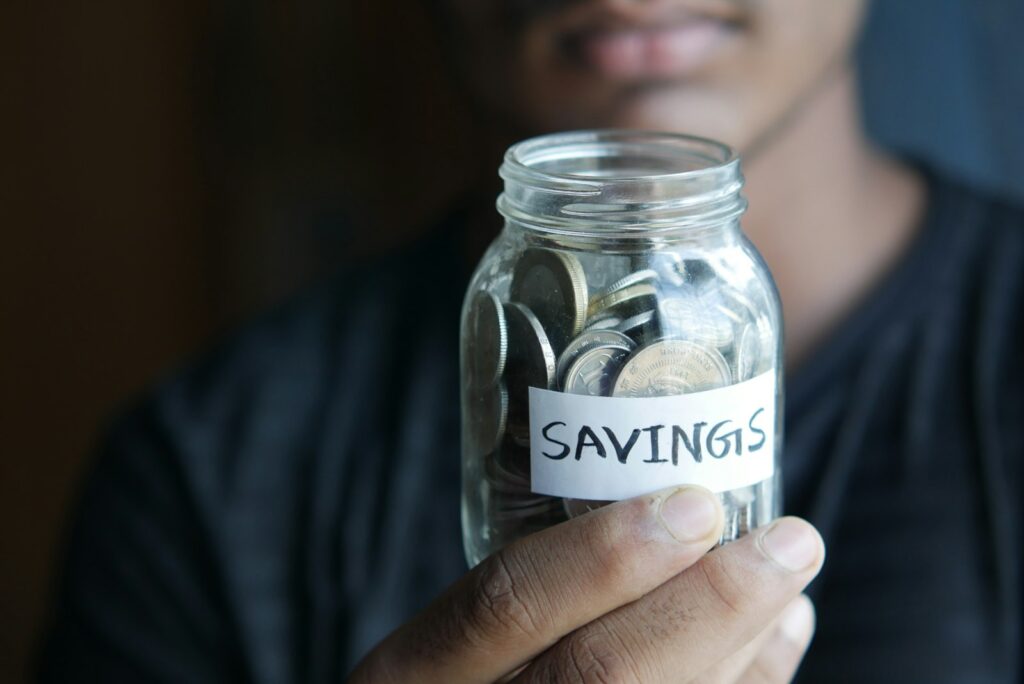
A clear, beginner-friendly guide to starting a savings plan: setting goals, budgeting, automating, choosing accounts and keeping going when life gets in the way.
Quick answer: To start a savings plan, set a clear goal and deadline, track your income and spending, decide a fixed amount to save each month (many people aim for 10% to 20% of take-home pay), open a separate high-interest savings account, and set up an automatic transfer on payday. Build an emergency fund of three to six months of essential expenses first, then save for other goals.
Most people want to save more, but money left in a current account tends to disappear. A savings plan fixes that by giving every pound or dollar a job and moving money automatically before you can spend it.
This guide shows you how to start a savings plan in eight simple steps, with real examples, the best types of savings accounts, and practical ways to keep going even on a tight budget.
This article is general information, not personal financial advice. If your situation is complex, speak to a qualified adviser.
In this article
- What is a savings plan?
- Why do you need a savings plan?
- How to start a savings plan in 8 steps
- Savings plan examples
- Where should you keep your savings?
- How do you find money to save on a tight budget?
- Tips to stick to your savings plan
- When should you move from saving to investing?
- Common savings mistakes to avoid
- Frequently Asked Questions
- Final Thoughts
What is a savings plan?
A savings plan is a simple written plan that says how much you will save, how often, where the money will go and what it is for. It can be as basic as “save $200 on the 1st of every month into a high-yield savings account for an emergency fund”.
- Goal: what you are saving for
- Amount: how much per month or per payday
- Account: where the money is kept
- Timeline: when you want to reach the goal
- Method: manual or automatic transfers
Why do you need a savings plan?
- Emergencies: car repairs, medical bills or job loss will not push you into debt
- Less stress: a cushion of savings makes money worries easier to handle
- Bigger goals: homes, education and travel become realistic
- Less borrowing: saving ahead means paying less interest on cards and loans
- More choices: savings give you freedom to change jobs or start a business
Without a plan, saving depends on willpower. With a plan, it happens automatically.
How to start a savings plan in 8 steps
1. Set clear goals
Write down what you are saving for, how much it costs and when you need it: an emergency fund, a car, a deposit for a home or a holiday.
2. Track your spending for a month
Use your bank app or a spreadsheet to see where money really goes.
3. Build a simple budget
The 50/30/20 rule is a popular start: about 50% for needs, 30% for wants and 20% for saving and debt repayment.
4. Decide your savings amount
Start with what you can manage, even 5%, and increase it over time.
5. Open a separate savings account
Keeping savings away from your everyday account makes it less tempting to spend.
6. Automate it
Schedule a transfer on payday so saving happens first.
7. Build an emergency fund first
Aim for three to six months of essential costs before investing or saving for big wants.
8. Review every few months
Increase savings after pay rises and adjust goals as life changes.
Savings plan examples
| Goal | Target | Timeline | Monthly saving |
|---|---|---|---|
| Emergency fund | $6,000 | 12 months | $500 |
| Holiday | $1,800 | 9 months | $200 |
| Car deposit | $4,000 | 16 months | $250 |
| Home deposit | $20,000 | 5 years | About $333 |
Ayesha takes home $2,800 a month. After tracking her spending, she cancels two unused subscriptions and cooks at home three more nights a week, freeing $280. She sets an automatic $280 transfer on payday and has a $3,360 emergency fund within a year.
Where should you keep your savings?
| Account type | Best for | Things to know |
|---|---|---|
| High-yield savings account | Emergency fund, short-term goals | Easy access; rates change |
| Certificates of deposit (CDs) / fixed-term bonds | Money you will not need for a set time | Higher rate but penalties for early withdrawal |
| Money market account | Larger balances with some access | May need a minimum balance |
| Cash ISA (UK) | Tax-free interest | Annual allowance limits apply |
| Retirement accounts (401(k), IRA, pension) | Long-term saving | Tax benefits; withdrawal rules |
In the US, check that your bank is insured by the FDIC (or NCUA for credit unions). In the UK, the ISA rules on GOV.UK explain the current allowance; changes to cash ISA limits have been announced for future years, so always check the latest figures.
How do you find money to save on a tight budget?
1. Review subscriptions
Cancel streaming, apps and memberships you rarely use.
2. Cut food waste
Plan meals, shop with a list and cook in batches.
3. Compare bills
Phone, internet, energy and insurance prices often drop when you shop around or ask for a better deal.
4. Use a 24-hour rule
Wait a day before non-essential purchases.
5. Add a side income
Even a few hours of freelance or part-time work can boost savings quickly.
Tips to stick to your savings plan
- Pay yourself first: save on payday, not at the end of the month
- Use separate pots: name accounts by goal, such as “Emergency” or “Holiday”
- Round-ups: apps that round purchases up and save the change
- Save windfalls: put bonuses, tax refunds and gifts towards goals
- Track progress: a simple chart keeps you motivated
- Cut one big cost: phone plans, insurance and subscriptions often have savings
Omar starts by saving 5% of his salary. Every three months he increases it by 1%. After two years he is saving 12% without ever feeling a big change in his lifestyle.
The Consumer Financial Protection Bureau offers free saving tools and tips.
When should you move from saving to investing?
Saving and investing do different jobs. Savings protect you in the short term; investing aims to grow money over many years but can fall in value.
- Save first: emergency fund and goals within about three to five years
- Then invest: long-term goals such as retirement, often through workplace pensions, 401(k)s, IRAs or stocks and shares ISAs
- Get advice: if you are unsure, speak to a regulated financial adviser
Common savings mistakes to avoid
- Saving only what is left at the end of the month.
- Keeping savings in the same account as spending money.
- Ignoring high-interest debt while saving at low interest.
- Setting goals that are too vague or too ambitious.
- Raiding the emergency fund for non-emergencies.
- Never comparing savings rates.
If you also run a business, separating personal and business money is essential; see our guides on how to build business credit and becoming a freelancer.
Name your savings account after your goal, such as “Japan trip 2027”. People are less likely to withdraw money that has a clear purpose.
Open your banking app, create a separate savings pot and set up an automatic transfer for payday, even if it is small. Your savings plan starts the moment the first transfer happens.
Frequently Asked Questions
How much should I save each month?
Many people aim for 10% to 20% of take-home pay, but any regular amount is a good start.
What is the 50/30/20 rule?
A budgeting guide that suggests about 50% for needs, 30% for wants and 20% for savings and debt repayment.
How big should an emergency fund be?
A common target is three to six months of essential living expenses.
Should I save or pay off debt first?
Build a small emergency fund first, then focus on high-interest debt, then increase savings.
Where is the best place to keep savings?
A high-yield savings account is a good choice for emergency funds and short-term goals.
How do I stay motivated to save?
Set clear goals, automate transfers, track progress and celebrate milestones.
Final Thoughts
- A savings plan sets goals, amounts, accounts and timelines for your money.
- Automate saving on payday and keep savings separate from spending.
- Build an emergency fund before other goals.
- Review and increase your savings as your income grows.


