

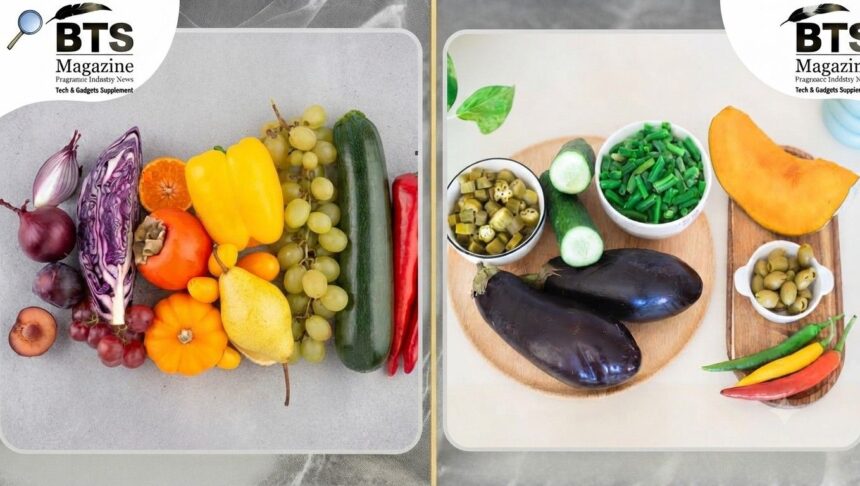
Fruits that are actually vegetables often confuse people because science and cooking use different ways to classify food. Here’s the thing: a food can be a fruit in botany but treated as a vegetable in the kitchen. That’s why tomatoes end up in salads instead of fruit bowls, even though they grow from the flower of a plant.
- Understanding the Difference Between Fruits and Vegetables
- Why People Get Confused
- Botanical Definition of a Fruit
- Culinary Definition of Vegetables
- 1. Tomato
- 2. Cucumber
- 3. Bell Pepper
- 4. Eggplant
- 5. Zucchini
- 6. Pumpkin
- 7. Squash
- 8. Okra
- 9. Chili Peppers
- 10. Avocado
- 11. Green Beans
- 12. Peas
- Foods That Truly Are Vegetables
- Does This Difference Matter?
- Health Benefits of These Fruit-Vegetable Foods
- Fun Facts You Might Not Know
- Common Myths About Fruits and Vegetables
- Myth: Sweet foods are always fruits.
- Myth: Vegetables never contain seeds.
- Myth: Fruits must be eaten raw.
- Tips for Choosing Fresh Produce
- Final Thoughts
To be honest, this topic surprises almost everyone at first. We grow up thinking fruits are sweet and vegetables are savory. What’s interesting is that nature doesn’t follow those rules. In this guide, you’ll learn which common foods are scientifically fruits but commonly used as vegetables, why the confusion exists, and how this knowledge can change the way you look at everyday produce.
Understanding the Difference Between Fruits and Vegetables
Before looking at the list, it’s important to understand why the confusion exists.
From a botanical point of view, a fruit is the mature ovary of a flowering plant that contains seeds. It develops after the flower is pollinated.
A vegetable, on the other hand, is any edible part of a plant that isn’t the fruit. This includes:
- Roots
- Leaves
- Stems
- Bulbs
- Flowers
In cooking, though, foods are grouped by flavor and how they’re prepared instead of how they grow.
Why People Get Confused
Most people learn food names from recipes, grocery stores, and family traditions rather than botany.
That’s why foods like tomatoes, cucumbers, and peppers are placed next to vegetables in supermarkets.
The scientific definition hasn’t changed, but our everyday use has.
Botanical Definition of a Fruit
Scientists classify a fruit using one simple rule.
A fruit:
- Develops from the flower
- Contains seeds
- Protects those seeds until they mature
If a plant produces a seed-bearing structure after flowering, it is a fruit.
This definition includes many foods most people call vegetables.
Culinary Definition of Vegetables
Chefs think differently.
Vegetables are generally foods that:
- Taste savory
- Are cooked with main meals
- Pair well with herbs and spices
- Are rarely used in desserts
This practical system works well in the kitchen, even if it doesn’t match plant science.
Fruits That Are Actually Vegetables List
Now let’s look at the most common examples.
1. Tomato
The tomato is probably the most famous example.
Scientifically, it’s a fruit because it grows from the flower and contains seeds.
Yet almost every recipe treats tomatoes like vegetables.
People use them in:
- Pasta sauce
- Pizza
- Soups
- Salads
- Sandwiches
Very few people eat tomatoes as dessert.
2. Cucumber
Cucumbers also grow from flowers and contain many seeds.
That automatically makes them botanical fruits.
Still, they are commonly served with salads, sandwiches, yogurt dips, and pickles.
Their refreshing taste makes them feel like vegetables even though science says otherwise.
3. Bell Pepper
Whether it’s red, yellow, green, or orange, every bell pepper is technically a fruit.
Inside every pepper are seeds surrounded by the fleshy outer wall.
They’re popular in:
- Stir-fries
- Omelets
- Salads
- Stuffed pepper recipes
4. Eggplant
Eggplant is another surprising example.
It develops from the flower and contains many small seeds.
People usually roast, grill, or fry eggplant, which makes it feel more like a vegetable than a fruit.
5. Zucchini
Zucchini belongs to the squash family.
It grows directly from the flower and contains seeds inside.
Many gardeners already know this, but shoppers usually think of zucchini as just another vegetable.
6. Pumpkin
Pumpkins are botanical fruits.
Every pumpkin develops from a flower and holds hundreds of seeds.
What’s interesting is that pumpkins appear in both sweet and savory recipes.
You can make:
- Pumpkin pie
- Soup
- Bread
- Curry
- Roasted side dishes
7. Squash
Most squash varieties are fruits.
Examples include:
- Butternut squash
- Acorn squash
- Yellow squash
- Spaghetti squash
All develop from flowering plants and contain seeds.
8. Okra
Okra may look like a vegetable pod, but it’s actually a fruit.
Each pod contains rows of seeds inside.
People commonly cook it in:
- Gumbo
- Curries
- Stir-fries
- Stews
9. Chili Peppers
Hot peppers follow the same botanical rule.
Whether it’s jalapeño, habanero, serrano, or cayenne, each one develops from a flower and contains seeds.
That officially makes every chili pepper a fruit.
10. Avocado
Many people already know avocado is a fruit.
Its single large seed clearly fits the botanical definition.
Still, avocado is usually served with savory foods like:
- Toast
- Salads
- Guacamole
- Sandwiches
- Sushi
11. Green Beans
Green bean pods contain immature seeds.
Since the pod develops from the flower, botanists classify it as a fruit.
Most recipes, however, prepare green beans as vegetables.
12. Peas
Pea pods are another interesting example.
The pod itself is technically a fruit because it contains seeds.
The peas inside are the seeds.
This makes peas one of the easiest examples of botanical classification.
Foods That Truly Are Vegetables
Not everything in the produce aisle is secretly a fruit.
True vegetables include:
Leaf Vegetables
- Spinach
- Lettuce
- Kale
- Cabbage
Root Vegetables
- Carrots
- Radishes
- Beets
- Turnips
Stem Vegetables
- Celery
- Asparagus
Bulb Vegetables
- Onion
- Garlic
Flower Vegetables
- Broccoli
- Cauliflower
These plant parts do not develop from flowers into seed-bearing structures.
Does This Difference Matter?
For everyday cooking, not really.
Recipes work exactly the same whether tomatoes are fruits or vegetables.
The distinction mainly matters in:
- Botany
- Agriculture
- Plant science
- Education
Knowing the difference simply helps you better understand how plants grow.
Health Benefits of These Fruit-Vegetable Foods
Whether they’re fruits or vegetables, these foods are packed with nutrition.
Many provide:
- Vitamin C
- Vitamin A
- Potassium
- Fiber
- Antioxidants
- Water for hydration
Eating a colorful variety supports a balanced diet.
Instead of worrying about labels, it’s better to enjoy different kinds of fresh produce every day.
Fun Facts You Might Not Know
Here are a few interesting facts.
- Tomatoes were once believed to be poisonous in Europe.
- Cucumbers are made up of about 95% water.
- Pumpkins are berries according to botanical classification.
- Bell peppers become sweeter as they ripen.
- Avocados contain healthy monounsaturated fats.
These facts show how fascinating plant science can be.
Common Myths About Fruits and Vegetables
Myth: Sweet foods are always fruits.
Not true.
Many fruits are not sweet at all.
Myth: Vegetables never contain seeds.
Also false.
Many foods called vegetables contain seeds because they are botanical fruits.
Myth: Fruits must be eaten raw.
No.
Many fruits are cooked regularly, including tomatoes, pumpkins, peppers, and eggplants.
Tips for Choosing Fresh Produce
Whether buying fruits or vegetables, look for:
- Bright color
- Firm texture
- No soft spots
- Fresh smell
- Smooth skin when appropriate
Buying seasonal produce often provides better flavor and value.
Final Thoughts
Fruits that are actually vegetables remind us that science and cooking often describe foods differently. In the kitchen, tomatoes, peppers, cucumbers, zucchini, pumpkins, and eggplants are treated as vegetables because of their flavor and use. From a botanical perspective, they’re fruits because they develop from flowers and contain seeds.
Understanding this difference doesn’t change how you cook, but it does make grocery shopping a little more interesting. If you’d like to explore the scientific definitions in more detail, the Wikipedia article on Fruit is a helpful place to start: https://en.wikipedia.org/wiki/
Continue reading: Universal Crossword: Everything You Need to Know About This Daily Puzzle