

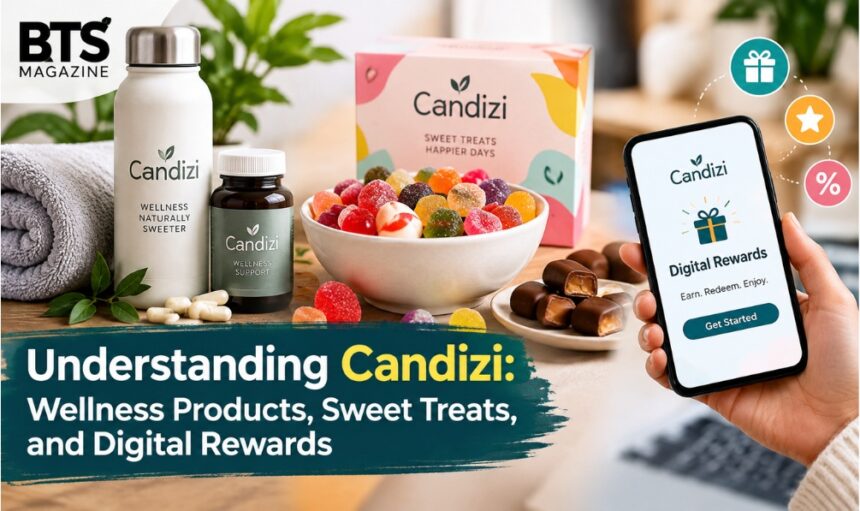
Candizi is a name that keeps surfacing in online conversations about health, sweets, digital engagement, and contemporary lifestyle products. It draws curiosity because writers use it in quite different ways. A few describe it as a wellness idea tied to easy-to-use supplements, beverages, gummies, or candy-style items.
- What Is Candizi?
- Why Candizi Is Getting Attention
- Different Forms Associated With Candizi
- Candizi and Modern Wellness
- Ingredients That May Be Linked With Candizi
- Candizi for Energy and Everyday Activity
- Candizi and Digestive Wellness
- Candizi and Immune Health
- Candizi as a Confectionery Concept
- Clean Labels and Health-Conscious Candy
- Packaging and Branding Around Candizi
- Candizi and Social Media Marketing
- Candizi as a Digital Rewards Concept
- Personalization, Data, and User Experience
- How to Evaluate Candizi Before Buying
- Possible Benefits and Limitations of Candizi
- Safety and Responsible Use
- Future Possibilities for Candizi
- Final Thoughts
- FAQs
Other write-ups link Candizi to bright confectionery, eye-catching packaging, inventive flavors, and current branding trends. Such descriptions place it somewhere between classic sweets and newer consumer habits, where looks, convenience, ingredients, and social sharing can all shape interest in a product.
A third reading treats the name as a digital concept built around rewards, tailored experiences, and game-like features. Since the descriptions span so many areas, Candizi should not be assumed to be a single, well-established product with one fixed role. Knowing the different meanings helps readers tell apart product ideas, health claims, marketing angles, and suggested digital features.
What Is Candizi?
Candizi is best seen as a loose label attached to several modern consumer ideas, not as an ordinary word with one agreed definition. Online content has connected it to wellness items, functional nutrition, upscale sweets, lifestyle experiences, and digital loyalty systems. What it means therefore depends heavily on where you come across it.
In health-related discussions, the name may point to handy products built around daily nutrition and self-care, such as gummies, drinks, powders, capsules, or candy-like formats. Still, each product’s ingredients and purpose need to be checked individually, because items that look alike can be formulated very differently.
Elsewhere, Candizi stands for a creative sweets concept that relies on unusual flavors, striking presentation, and contemporary branding. Digital descriptions stretch the idea further by tying everyday actions to points, achievements, personalized suggestions, and prizes. These overlapping interpretations explain why readers run into conflicting accounts online.
Why Candizi Is Getting Attention
The buzz around Candizi mirrors several broader lifestyle shifts. Today’s shoppers tend to want products that are portable, convenient, good-looking, and simple to fit into a hectic day. That is especially visible in wellness and food markets, where gummies, functional drinks, snack-sized items, and single-serve packs are now common.
Appearance counts too. Products with vivid packaging, interesting flavors, and memorable branding stand out on store shelves and on social platforms alike. Something that looks good on camera can show up in reviews, unboxing clips, short videos, and casual chats between shoppers.
Candizi also matches the rising appetite for experiences over plain purchases. Buyers may expect personalization, rewards, limited editions, interactive packaging, or a sense of community along with the product itself. This mix of convenience, visual charm, wellness positioning, and digital interaction explains why the concept lines up with so many current trends.
Different Forms Associated With Candizi
Accounts of Candizi mention a range of possible formats: candies, gummies, drinks, powders, supplements, and capsules. Each offers a different kind of convenience. Gummies and candy-style pieces travel easily, powders can be stirred into a beverage, capsules follow the traditional supplement approach, and ready-made drinks suit those who want something instant.
A format, however, says nothing about what a product actually does. A gummy might be plain confectionery or might include vitamins and other additions. A drink could be an ordinary flavored beverage, a nutrition product, or a caffeinated energy drink. Every category carries its own nutritional and practical points to consider.
For that reason, shoppers should look closely at the exact Candizi product in front of them. The ingredient list, nutrition facts, serving size, allergen notice, manufacturer information, and usage directions reveal much more than the format does. Shared branding does not guarantee shared ingredients or goals.
Candizi and Modern Wellness
Wellness is among the strongest themes tied to Candizi online. The idea is frequently framed around daily aims such as keeping energy up, supporting nutrition, coping with a packed schedule, and making self-care simpler. This echoes the wider functional-food and supplement industry, where products are built around particular lifestyle needs.
Convenience has real value, since elaborate routines are hard to sustain. A portable drink, gummy, powder, or capsule can be easier to take regularly than something needing long preparation. Even so, ease of use is not the same as effectiveness. What a wellness product is worth depends mostly on its real ingredients, their amounts, its quality, and how it is meant to be used.
Candizi should therefore be seen as one small piece of a whole lifestyle, never a stand-in for good habits. Balanced meals, enough sleep, proper hydration, regular movement, and suitable medical care stay at the core of well-being no matter which products a person picks.
Ingredients That May Be Linked With Candizi
Health-oriented descriptions of Candizi sometimes name vitamins, minerals, antioxidants, probiotics, plant extracts, adaptogenic herbs, and other naturally sourced components. These groups appear throughout the supplement world. Their real effects vary widely with the specific compound, the dose, the formulation, and the person taking it.
Vitamins and minerals play essential roles in normal human nutrition, and probiotics are particular live microorganisms found in some foods and supplements. Antioxidants are compounds that interact with oxidation processes, while plant extracts may hold many different bioactive substances. The word “natural” by itself proves nothing about effectiveness, quality, or safety.
Shoppers should not presume that every Candizi product includes these ingredients just because they turn up in general online write-ups. The label on the actual product is the more dependable source. Key details include amounts of each ingredient, added sugars, caffeine, sweeteners, allergens, serving sizes, proprietary blends, and any warnings or directions from the manufacturer.
Candizi for Energy and Everyday Activity
Energy is another topic often linked with today’s wellness products. Students, office workers, parents, travelers, athletes, and anyone with a demanding calendar look for easy ways to stay active through the day. Candizi may appeal to these groups when it is offered as part of an energy or vitality routine.
Products can pursue energy in very different ways, though. Some rely on caffeine or other stimulants, whereas others contain carbohydrates, vitamins, minerals, or herbal ingredients. These do not act the same way. Caffeine, for instance, can briefly raise alertness, while the calories in food supply the body’s metabolic fuel.
Daily energy also depends on much more than supplements. Sleep quality, hydration, overall food intake, physical activity, stress, and general health all affect how lively someone feels. Anyone considering an energy-focused Candizi product should study its formula and caffeine level rather than trusting vague marketing phrases.
Candizi and Digestive Wellness
Digestive health has become a major area of the wellness market, and certain descriptions tie Candizi to it. Products promoted for gut support may include probiotics, prebiotics, dietary fiber, plant ingredients, or blends of these. Each works in its own way, so the exact formula matters when judging a product.
Probiotics are live microorganisms added to some foods and supplements, and prebiotics are substances that specific gut microorganisms use. Dietary fiber is another key part of nutrition and supports normal digestion. How these components work depends on their type, amount, and each person’s response.
A Candizi product should not be presumed to help digestion unless its ingredients back up the specific claim. Lasting bloating, pain, diarrhea, constipation, or other gut troubles can stem from many causes. A store-bought product is not a replacement for professional diagnosis and treatment of an ongoing digestive condition.
Candizi and Immune Health
Immune support is a favorite angle in nutrition marketing. Nutrients such as vitamins A, C, D, B6, and B12, folate, zinc, iron, copper, and selenium have recognized roles in normal body processes, including some connected to the immune system. A balanced diet is a key source of these essentials.
If a Candizi formula contains vitamins or minerals, buyers should check how much each serving delivers. More is not automatically better, because needs differ from person to person and too much of certain nutrients can cause problems. The Supplement Facts or nutrition panel shows how much of each listed nutrient a serving provides.
It is also wise to separate nutritional support from disease treatment. A food or supplement with nutrients involved in immune function cannot automatically be assumed to prevent or cure infections. Candizi items marketed around immunity should be judged by their ingredients and the evidence behind them, not by sweeping promotional language.
Candizi as a Confectionery Concept
Candizi is also connected to confectionery, where the emphasis shifts from supplements to flavor, creativity, and presentation. Online descriptions mention colorful sweets, gummies, chocolates, fruit-inspired treats, and unusual flavor pairings. Combinations such as chili-mango and lavender-lemon show how familiar sweet tastes can be blended with less traditional ingredients.
Modern candy makers often lean on novelty to stand apart. Texture, aroma, shape, packaging, flavor mixes, and seasonal themes can turn an everyday sweet into a more memorable experience. Limited runs also give shoppers something fresh compared with products that never change.
This confectionery reading of Candizi should stay separate from the wellness one unless a specific product truly blends the two. A prettily packaged candy is not automatically a nutritional supplement, and a supplement shaped like a gummy is not necessarily ordinary candy. Ingredients and labeling are what reveal the difference.
Clean Labels and Health-Conscious Candy
Health-minded confectionery is a growing area of product development. Shoppers now regularly see terms like plant-based, vegan, naturally flavored, organic, non-GMO, reduced sugar, and free from certain allergens. Some Candizi descriptions use comparable language when talking about sweets for people who watch ingredients closely.
These labels need context. A treat made with fruit puree or organic sugar can still hold a substantial amount of sugar. In the same way, “natural” does not mean calorie-free or automatically better than every conventional option. Portion size and the full nutritional profile still matter when comparing sweets.
Anyone drawn to a Candizi candy should read both the nutrition facts and the ingredient list. Total carbohydrates, added sugars, serving size, sweeteners, allergens, and calories give practical answers. People following vegan, gluten-free, allergen-conscious, or other special diets should look for clear product-level labeling instead of relying on general brand statements.
Packaging and Branding Around Candizi
Packaging strongly shapes a shopper’s first impression. In both confectionery and wellness, brands often use bold colors, distinctive lettering, resealable pouches, compact containers, illustrations, and carefully designed labels to be easily recognized. Appealing presentation also encourages people to photograph and share products online.
Candizi has been mentioned alongside colorful, social-media-ready packaging ideas. Yet some images that circulate in articles about the name have been flagged as illustrative mockups, not official packaging. This matters because concept artwork is no proof of a product’s true look, ingredients, environmental credentials, or availability.
Good packaging also does practical work beyond looks. It shields food from moisture and contamination, shows nutrition details, gives serving directions, lists allergens, and offers storage tips. Sustainability claims deserve a careful look as well, since recyclable, biodegradable, reusable, and compostable materials each mean different things and need different disposal.
Candizi and Social Media Marketing
Social media can give new consumer concepts fast exposure. Instagram, TikTok, YouTube, and similar platforms let brands and creators show off colorful products through photos, short videos, reviews, recipes, polls, demos, and unboxings. Visually striking products suit this kind of promotion especially well.
Candizi has been discussed in relation to influencer partnerships, interactive polls, hashtags, community involvement, and user-generated content. These tactics invite people to take part instead of just watching an ad. Flavor ideas, product photos, reviews, and personal stories can make customers active contributors to a brand’s conversation.
Online popularity should still be read with caution. A poll run among one platform’s audience does not necessarily reflect shoppers as a whole, and an influencer’s excitement proves neither nutritional value nor product quality. When researching Candizi, readers can use social media to gauge public interest while turning to product labels and trustworthy evidence for factual health information.
Candizi as a Digital Rewards Concept
One more interpretation of Candizi leaves physical products behind and enters digital engagement. Online descriptions imagine a platform where routine actions such as browsing, shopping, reviewing products, completing surveys, sharing content, or inviting other users might earn points or other rewards.
This approach is commonly called gamification. Digital services borrow familiar game elements, including points, badges, achievement tiers, challenges, streaks, and leaderboards, to make ordinary tasks feel more interactive. Rewards can bring people back regularly, since users see their progress and aim for specific milestones.
Still, these suggested features should not be presented as verified functions of a live Candizi service without supporting proof. They are better understood as part of the wider digital reading of the term. If such a platform does exist, users should consult its official documentation for eligibility rules, reward values, redemption steps, and account terms.
Personalization, Data, and User Experience
Personalization often goes hand in hand with modern reward platforms. A service can draw on past activity, preferences, purchases, searches, or chosen interests to suggest content and offers. That makes the experience more relevant, because different users do not necessarily see the same products, challenges, or prizes.
Some accounts of Candizi go further and talk about advanced analytics and behavioral data. Any service that gathers detailed personal information should state clearly what it collects and how it uses it. Users should review the privacy policy, account controls, third-party sharing practices, retention rules, and security details before handing over sensitive data.
Personalization can add convenience, but it brings a trade-off between tailoring and privacy. Claims about biometric data deserve special attention, since such information is sensitive. Consumers should confirm whether that functionality really exists instead of assuming that speculative descriptions of Candizi reflect features of an actual platform.
How to Evaluate Candizi Before Buying
Anyone thinking about a Candizi product should start with the real item, not online hype. Look at the manufacturer or seller, the full ingredient list, usage directions, nutrition facts, allergen warnings, contact details, price, return terms, and any certifications shown on the package or official product page.
For supplements, study the Supplement Facts panel and find the quantity of each active ingredient. It also helps to see whether meaningful quality-control details or independent testing results are available. For candy and drinks, watch serving size, added sugars, calories, caffeine, sweeteners, and allergens. Digital services call for different checks, such as privacy terms and reward conditions.
Reviews can tell you about taste, packaging, delivery, and general experience, but personal testimonials cannot prove medical effectiveness. Readers researching Candizi should weigh claims against reliable evidence and separate advertisements, sponsored posts, illustrative concepts, independent reviews, and official product information before deciding to buy.
Possible Benefits and Limitations of Candizi
Candizi’s main draw lies in convenience, flexibility, creative presentation, and its link to current lifestyle trends. Portable formats can slip easily into work, study, travel, or fitness routines. Attractive sweets can offer an enjoyable treat, and digital reward ideas can make everyday online activity feel more engaging.
The drawbacks depend on which version of Candizi is under discussion. A wellness product might contain ingredients that some people do not need or that suit certain situations poorly. Candy can carry a lot of sugar despite natural-sounding branding. A digital platform can raise concerns about privacy, reward terms, and data collection. Premium presentation may also raise the price without improving nutritional value.
Another drawback is the inconsistent information surrounding the name itself. Because Candizi has been described across several unrelated categories, shoppers should avoid carrying claims from one interpretation over to another. Evidence about a specific product is far more useful than broad statements about the name.
Safety and Responsible Use
Responsible use begins with knowing exactly what a Candizi product contains. Follow the serving directions instead of assuming that a bigger amount brings bigger results. This matters most for supplements with vitamins, minerals, herbal extracts, stimulants, or other concentrated ingredients.
People with food allergies should inspect ingredient and allergen statements carefully. Caffeine content is important for children, pregnant people, those sensitive to stimulants, and anyone already having other caffeinated foods or drinks. Those who take medication or manage a health condition may need professional advice before using supplements whose ingredients could interfere with treatment.
Candy brings its own considerations, mainly portion size and sugar intake. Digital versions of Candizi would call for attention to privacy, account security, and any financial or reward conditions. In every category, responsible use rests on verified facts about the particular product or service, not on assumptions drawn from branding or online chatter.
Future Possibilities for Candizi
If the concept grows into established products or services, Candizi could develop in several directions. Functional confectionery is one option, pairing familiar candy formats with carefully formulated nutritional ingredients. Personalized recommendations, subscription plans, seasonal flavors, and limited editions would also suit the consumer trends already linked to the name.
Technology opens up further options. Interactive packaging could connect physical items with websites, loyalty accounts, augmented-reality experiences, games, educational material, or reward programs. A customer might scan the package to read about ingredients, unlock an experience, earn points, or find another product. Such approaches are sometimes called “phygital” because they merge physical and digital experiences.
These ideas should be read as possible developments, not confirmed Candizi plans. Lasting success would depend on product quality, transparent communication, consumer demand, responsible data practices, regulatory compliance, useful innovation, and the ability to deliver real value beyond brief online attention.
Final Thoughts
Candizi is intriguing mostly because the name sits at the crossroads of several current trends. It has been tied to wellness products, convenient nutrition, inventive sweets, colorful branding, social-media promotion, gamification, personalized experiences, and digital rewards. Together, these ideas show how food, wellness, technology, and lifestyle marketing are increasingly blending.
At the same time, readers should keep the different interpretations apart. Claims about a supplement should not be automatically applied to candy, and descriptions of a proposed digital rewards system should not be mistaken for confirmed features of a physical product. The same caution applies to mockup packaging, suggested flavors, wellness claims, and marketing examples.
For anyone researching Candizi, the most useful step is straightforward: pin down the exact product, brand, website, or service being discussed and assess its own information. That gives a much clearer picture while avoiding the confusion caused by broad or contradictory online descriptions.
FAQs
What is Candizi?
Candizi is a name linked online with several ideas, including wellness products, confectionery, lifestyle branding, and digital rewards. Its precise meaning shifts depending on the product, platform, or source discussing it.
What is Candizi used for?
Candizi has come up in talk about convenient wellness routines, functional products, candy, and digital engagement. Shoppers should check the specific Candizi product or service, since its purpose and features can differ a great deal.
Is Candizi a wellness product or candy?
It has been described in both wellness and confectionery settings. Some discussions mention supplements, gummies, powders, and drinks, while others focus on creative sweets. These descriptions should not be treated as one and the same product.
What ingredients are found in Candizi?
Ingredients depend on the individual product. Online descriptions mention vitamins, minerals, probiotics, plant extracts, antioxidants, and more, but buyers should confirm the real ingredient list and the nutrition or Supplement Facts label.
What are the possible benefits of Candizi?
Benefits depend entirely on the formula. Products with particular nutrients may support normal nutritional functions, whereas candy mainly offers a treat. Broad wellness claims should always be measured against actual ingredients.
Is Candizi safe to use?
Safety depends on ingredients, serving size, allergies, medications, age, and personal health. Follow the product directions and pay special attention to caffeine, allergens, herbal ingredients, added sugars, and concentrated nutrients.
Is Candizi also a digital rewards platform?
Some online descriptions connect Candizi with gamification, personalized experiences, points, badges, challenges, and digital rewards. These features should be confirmed through an official service before being accepted as real functions of a Candizi platform.
How can I evaluate Candizi before buying it?
Check the manufacturer, ingredients, nutrition facts, serving directions, allergens, certifications, price, return policy, and official product information. For digital services, also review privacy policies, data practices, reward terms, and account security.
Read also: Moderate Rainfall Warning Explained: Rainfall Levels, Risks & Safety Tips