

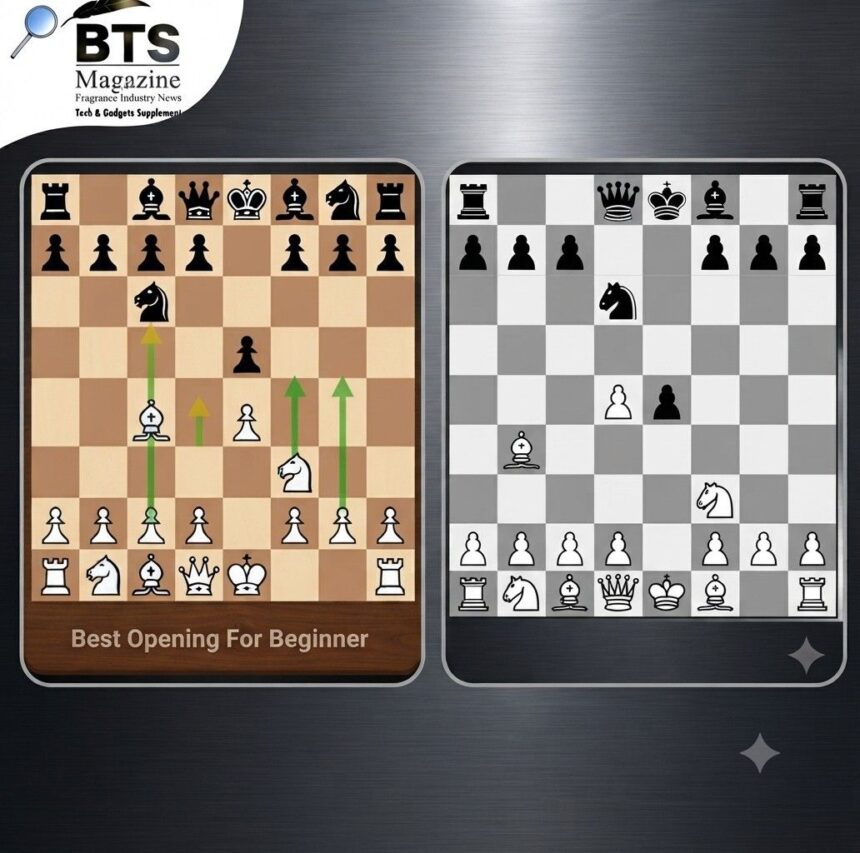
The best chess openings for beginners aren’t the flashy ones you see grandmasters play. They’re the simple, solid setups that help you survive the first ten moves without blundering your queen. And honestly, that’s half the battle when you’re starting out.
- Why Openings Matter So Much
- The Core Chess Opening Principles
- The King’s Pawn Opening (1.e4)
- The Queen’s Pawn Opening (1.d4)
- The Italian Game
- The Ruy Lopez (Spanish Opening)
- The Sicilian Defense
- The London System
- Quick Comparison of These Openings
- Common Opening Mistakes to Avoid
- How to Actually Practice Your Openings
- Mixing Openings With Tactics
- Final Thoughts on Your Chess Journey
Here’s the thing about learning chess. Most new players lose games not in the middle or the end, but right at the start. A bad opening leaves you cramped, undeveloped, and one careless move away from disaster.
So let’s fix that. Below are the openings worth learning first, plus the ideas behind them.
Why Openings Matter So Much
An opening sets the tone for your whole game. If you come out of it with active pieces and a safe king, you already have a head start.
To be honest, you don’t need to memorize twenty moves deep. You just need to understand a few good chess opening principles and stick to them.
The Core Chess Opening Principles
Before we look at specific systems, let’s talk about the rules that make almost any opening work.
Control the Center
The four central squares (e4, d4, e5, d5) are golden. Pieces placed near the center reach more squares and pack more punch.
If you control the center, you control the game. It’s that simple.
Develop Your Pieces
Get your knights and bishops off the back rank quickly. A knight sitting at home does nothing.
Try to develop your pieces toward the center and avoid moving the same piece twice in the opening.
Get Your King Safe
Castle early. Usually by move seven or eight. A king stuck in the middle is a target waiting to happen.
Once you’ve got these three ideas down, the openings below will make a lot more sense.
The King’s Pawn Opening (1.e4)
This is where most players begin, and for good reason. You push your e-pawn two squares and instantly grab a piece of the center.
The King’s Pawn Opening leads to open, tactical games. That’s great for beginners because it helps you spot chess tactics for beginners like forks, pins, and skewers early on.
Many of the best chess openings for beginners actually start with this exact move. It opens lines for your bishop and queen right away.
The Queen’s Pawn Opening (1.d4)
Prefer something calmer? Try 1.d4 instead.
The Queen’s Pawn Opening tends to create closed, slower positions. You get fewer wild tactics and more room to plan quietly.
What’s interesting is that a lot of positional players love this move because it builds solid structures. If you like thinking ahead rather than trading blows, this one suits you.
The Italian Game
Now let’s get into named openings. The Italian Game is probably the friendliest opening for anyone new to chess.
The moves go: 1.e4 e5, 2.Nf3 Nc6, 3.Bc4.
That bishop on c4 stares right at the weak f7 square. You develop naturally, you control the center, and you set up quick castling.
The Italian Game is one of the best chess openings for beginners because every move has an obvious purpose. There’s no guesswork.
Why the Italian Game Works
You follow the opening principles almost automatically. Develop a knight, develop a bishop, castle, done.
It also teaches you real beginner chess strategy without forcing you to memorize long lines.
The Ruy Lopez (Spanish Opening)
The Ruy Lopez is a step up in sophistication, but still totally beginner-friendly once you get the idea.
The moves: 1.e4 e5, 2.Nf3 Nc6, 3.Bb5.
Here your bishop pins the knight that defends the e5 pawn. It’s a sneaky way to pressure your opponent from the very start.
What Makes the Ruy Lopez Special
This opening has been played for centuries, and top players still use it today. That tells you it’s rock solid.
For beginners, it reinforces the same lessons: control the center, develop your pieces, and create small threats. Just expect slightly deeper positions than the Italian.
The Sicilian Defense
Everything so far assumed you’re playing White. But what do you do when your opponent plays 1.e4 and you’re Black?
The Sicilian Defense is a popular answer. You respond with 1…c5.
Instead of copying White with 1…e5, you fight for the center from the side. It’s aggressive and it gives Black real chances to win, not just draw.
Is the Sicilian Good for Beginners?
Kind of. It’s powerful, but it has a lot of variations.
My honest advice? Learn it once you’re comfortable with the simpler openings. It rewards players who already understand basic chess opening principles.
The London System
If you want one setup you can play against almost anything, the London System is your friend.
You develop your pieces to the same squares nearly every game: pawn to d4, bishop to f4, pawn to e3, and so on.
Here’s the thing that makes it great. You don’t have to memorize a bunch of different responses. You just build the same solid structure each time.
Why Beginners Love the London System
Low memorization, low risk. That’s a winning combo when you’re learning.
It’s one of the best chess openings for beginners who want to focus on the middlegame instead of stressing about theory. You get a safe position and then start playing chess.
Quick Comparison of These Openings
Let me sum it up simply.
- King’s Pawn (1.e4): Open, tactical, sharp.
- Queen’s Pawn (1.d4): Closed, positional, calm.
- Italian Game: Easiest to learn, natural development.
- Ruy Lopez: Classic, slightly deeper, very solid.
- Sicilian Defense: Aggressive reply for Black, more complex.
- London System: Same setup every game, low effort.
Pick one or two and stick with them for a while. Jumping between openings every game slows your progress.
Common Opening Mistakes to Avoid
Even with a good opening, beginners trip over the same habits. Watch out for these.
Bringing the Queen Out Too Early
It feels powerful, but your queen becomes a target. Opponents chase it around and develop for free.
Moving Too Many Pawns
One or two central pawn moves are fine. Pushing five pawns while your pieces sleep? That’s asking for trouble.
Forgetting to Castle
Seriously, castle. A safe king wins more games than any fancy trick.
How to Actually Practice Your Openings
Reading about openings is easy. Building the habit takes reps.
Play slow games where you have time to think through each move. Ask yourself: am I controlling the center? Am I developing a piece? Is my king getting safe?
That little checklist is basically beginner chess strategy in a nutshell.
Mixing Openings With Tactics
An opening gets you a good position, but tactics win the game. So don’t ignore them.
Spend a few minutes a day solving puzzles. Learning chess tactics for beginners alongside your openings makes everything click faster.
Final Thoughts on Your Chess Journey
You don’t need to master all of these at once. Start with the Italian Game or the London System, get comfortable, then branch out.
The best chess openings for beginners are simply the ones you understand and can play confidently. Consistency beats complexity every single time.
If you want to explore even more variations and the history behind these systems, the detailed chess opening overview on Wikipedia is a great place to keep learning. Give a few openings a try, stay patient, and watch your results improve.
Continue reading: Chroming: What It Really Is and Why Everyone’s Talking About It