

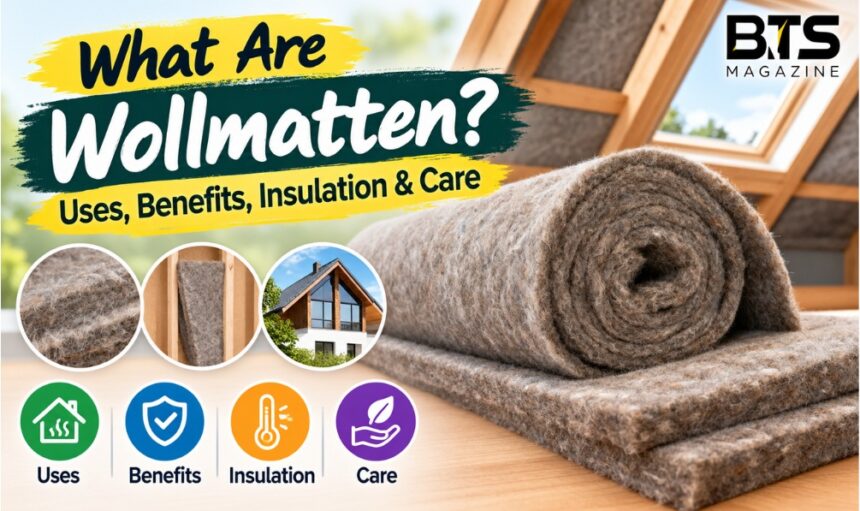
Wollmatten are mats made from wool, usually sheep’s wool. The German word Wollmatten simply refers to wool mats and can describe more than one type of product. In homes, the term may refer to soft wool floor mats, while in construction it can describe wool-based insulation mats used in walls, roofs, floors, and ceilings.
- What Are Wollmatten?
- How Do Wollmatten Work?
- Thermal Insulation and Temperature Control
- Moisture Control: What Can Wool Really Do?
- Comfort and Sound Absorption
- Wollmatten as Floor Mats
- Wollmatten for Building Insulation
- Environmental Benefits of Wool Mats
- Indoor Air Quality, Allergies, and Mold
- Fire and Pest Protection
- Main Benefits of Wollmatten
- Drawbacks and Limitations
- Wollmatten vs. Synthetic Mats
- How to Choose the Right Wollmatte
- How to Clean and Maintain Wool Mats
- Common Wool Mat Care Mistakes
- Using harsh cleaners
- Rubbing stains aggressively
- Using excessive water
- Ignoring dirt buildup
- Leaving the mat in intense sunlight
- Folding large mats tightly
- How to Store Wollmatten
- Are Wollmatten Worth the Cost?
- Final Thoughts
Wool has several natural qualities that make it useful indoors. Its fibers can trap air, absorb some moisture vapor, reduce sound, and provide a soft surface underfoot. These properties have made wool useful for centuries in products such as clothing, rugs, blankets, and other household materials.
This guide explains what Wollmatten are, how they work, where they are used, their benefits and limitations, and how to care for them properly.
What Are Wollmatten?
Wollmatten is the German term for wool mats. It is a general description, not necessarily the name of a particular brand or product.
Most Wollmatten are made primarily from sheep’s wool. However, their exact composition can vary. Some are made almost completely from wool, while others may contain additional fibers, backing materials, binders, or protective treatments.
The term is commonly used in two different contexts:
- Wool floor mats: Used for warmth, comfort, decoration, and noise reduction.
- Wool insulation mats: Used inside buildings to improve thermal and acoustic insulation.
Although these products have different purposes, both rely on characteristics found in wool fibers.
Wool has a naturally curly structure known as crimp. This structure creates tiny spaces between fibers where air can become trapped. Wool can also absorb and release moisture vapor, while its flexible fibers can recover after being compressed.
How Do Wollmatten Work?
The performance of a Wollmatte comes largely from the structure of its wool fibers.
Unlike a smooth synthetic surface, wool contains many irregular and flexible fibers. Their crimped shape creates small air spaces throughout the material. Because still air is a relatively poor conductor of heat, these spaces can slow the movement of heat.
This principle explains why wool can work as an insulation material and why a wool floor mat can feel warmer than a bare tile or wooden floor.
Wool fibers are also naturally resilient. When they are compressed, they can recover some of their original shape. This can help a well-made wool mat maintain its appearance and can help insulation retain its intended structure when installed correctly.
The same fiber structure can also contribute to sound absorption. Wool can absorb some sound energy instead of allowing all of it to bounce from a hard surface.
Moisture behavior is another important feature. Wool can take up water vapor from surrounding air and release some of it when the air becomes drier. This is one reason wool is often described as a breathable natural material.
Thermal Insulation and Temperature Control
One of the biggest advantages of wool is its ability to provide thermal insulation.
The air trapped between wool fibers slows heat movement. In a floor mat, this can make the floor feel more comfortable, particularly in colder weather.
For example, a wool mat placed beside a bed can provide a warmer surface for bare feet than a cold hard floor. In a building, thicker wool insulation can be installed within walls, roofs, floors, or ceilings to reduce unwanted heat transfer.
During winter, insulation can help slow heat escaping from a building. During hot weather, it can also slow the movement of outside heat into indoor areas.
However, the actual performance of wool insulation depends on several factors, including:
- Thickness
- Density
- Installation quality
- Building construction
- Climate
- Air movement
- Moisture conditions
For this reason, there is no single energy-saving figure that applies to every Wollmatten insulation product or building.
Moisture Control: What Can Wool Really Do?
Wool has a useful ability to interact with moisture vapor in the surrounding air. It can absorb some moisture and later release it as conditions change.
This can help moderate short-term changes in indoor humidity, but it is important to understand the difference between moisture regulation and waterproofing.
Wool is not waterproof.
A wool mat can become wet if exposed to spills, flooding, or standing water. If it remains damp for too long, it can develop unpleasant odors, lose its shape, or suffer other forms of damage.
The same principle applies to wool insulation. Proper moisture management is essential in walls, roofs, and floors. Ventilation, drainage, vapor control, and building design all have to work together.
So, while wool can manage some moisture vapor naturally, it should never be treated as a substitute for proper moisture protection.
Comfort and Sound Absorption
Wool floor mats are popular partly because they feel comfortable.
The fibers create a soft and cushioned surface that can make rooms feel warmer and more inviting. This can be particularly useful in bedrooms, living rooms, reading areas, children’s rooms, and home offices.
Wool can also contribute to a quieter indoor environment. Its irregular fiber structure can absorb some sound rather than reflecting all of it from a hard surface.
A wool mat may therefore help reduce:
- Footstep noise
- Small echoes
- Surface reflections
- General room noise
Wool insulation can provide additional acoustic benefits when installed inside walls, ceilings, or floors. However, soundproofing performance depends on the entire building assembly, not just the insulation material.
Wollmatten as Floor Mats
Floor Wollmatten can serve both practical and decorative purposes.
They can add warmth, softness, texture, and visual interest to a room while protecting the underlying floor from everyday wear.
Common locations include:
- Bedrooms
- Living rooms
- Home offices
- Hallways
- Reading areas
- Children’s rooms
- Hotel rooms
- Reception spaces
- Meditation areas
The right mat depends on how the area is used.
A busy hallway may require a dense, durable wool mat, while a bedroom may benefit from a softer and thicker design. Thickness should also be considered carefully because a very thick mat may interfere with doors or furniture.
Wool floor mats come in many colors, textures, shapes, and patterns. A neutral mat can create a subtle look, while a patterned design can become a stronger decorative feature.
Quality is also important. Dense, well-constructed wool fibers are generally better suited to long-term use than poorly constructed materials.
Wollmatten for Building Insulation
Insulation Wollmatten are designed for construction rather than decoration.
They are commonly produced as mats, rolls, or batts that can be installed in different parts of a building. Depending on the product, they may be used between framing members or fitted around less regular spaces.
Potential applications include:
- Exterior and interior walls
- Roofs
- Loft spaces
- Floors
- Ceilings
- Small buildings
- Renovation projects
Sheep-wool insulation can be useful in residential construction, cabins, tiny houses, and other suitable structures.
Its flexibility can make it easier to fit into certain irregular spaces than rigid insulation boards. However, the material still needs to be installed correctly. Gaps, excessive compression, or unsuitable moisture conditions can reduce its effectiveness.
Construction products must also meet applicable requirements for thermal performance, fire behavior, and other building standards. Buyers should always check the technical documentation for the specific insulation product.
Some wool insulation products receive additional treatment for fire or pest resistance. These properties should never be assumed simply because a product contains wool.
Environmental Benefits of Wool Mats
Wool is a renewable natural fiber because sheep can produce new fleece after shearing. This makes wool an attractive material for people looking for alternatives to some synthetic products.
Depending on the product’s composition, wool can also biodegrade under suitable environmental conditions. Some wool products may be reusable or recyclable, although this depends on their construction.
A durable wool mat can also have a practical environmental advantage if it remains useful for many years and does not need frequent replacement.
However, calling wool automatically “eco-friendly” oversimplifies the issue.
The overall environmental impact can depend on:
- Sheep farming practices
- Land use
- Processing
- Dyeing
- Chemical treatments
- Manufacturing
- Transportation
- Product lifespan
- End-of-life disposal
Therefore, anyone focused on sustainability should look beyond the word “wool” and examine the complete product.
Indoor Air Quality, Allergies, and Mold
Wool is often selected by people who prefer natural materials, but the finished Wollmatte is more important than the fiber alone.
A wool product may contain dyes, adhesives, backing materials, binders, or protective treatments. These additional materials can affect the product’s characteristics and may be relevant to people with particular sensitivities.
Wool should also not automatically be called hypoallergenic. Individual reactions vary, and dust, cleaning products, dyes, treatments, and other materials may contribute to sensitivity.
Regular cleaning is especially important for floor mats because textile surfaces can collect dust and debris.
Wool can help manage moisture vapor, but it is not mold-proof. If a wool mat or insulation layer stays wet for an extended period, mold and other moisture-related problems can still occur.
Good ventilation and quick drying are therefore important.
Fire and Pest Protection
Wollmatten should never be described as completely fireproof.
Wool has certain natural heat-related characteristics, but the fire performance of a finished product depends on its construction and any treatments applied to it.
For building insulation, always check the manufacturer’s fire-performance information and applicable building requirements.
Pest protection is another consideration. Some insects can damage animal fibers, including wool. Certain insulation products are treated to reduce this risk.
Before purchasing wool insulation, check:
- Fire-performance information
- Pest-resistance treatment
- Product composition
- Installation requirements
- Local construction requirements
For floor mats, keeping the material clean and dry can also help with long-term maintenance.
For general information about managing unwanted insects and other pests, see Pest control on Wikipedia.
Main Benefits of Wollmatten
When the right product is selected for the right application, Wollmatten can offer several advantages.
Key benefits include:
- Natural sheep-wool material
- Soft and comfortable surface
- Thermal insulation
- Sound absorption
- Moisture-vapor management
- Natural flexibility and resilience
- Potentially long service life
- Renewable raw material
- Biodegradability in suitable wool-based products
- Many colors and textures
- Applications in homes and commercial buildings
- Availability as both floor mats and insulation materials
The actual performance depends on product quality, installation, environmental conditions, and maintenance.
Drawbacks and Limitations
Wool also has some disadvantages.
High-quality wool products can cost more than many synthetic alternatives. For buyers working with a limited budget, the initial price may be an important consideration.
Wool also needs appropriate care. Harsh cleaning chemicals, aggressive scrubbing, and excessive water can damage some wool products.
Other possible limitations include:
- Potential fading from prolonged strong sunlight
- Sensitivity to excessive moisture
- Possible pest damage
- Higher purchase price
- Need for careful cleaning
- Different performance between manufacturers
- Additional treatments in some products
Not every Wollmatte is made from 100% wool either. Some include synthetic fibers, backing, adhesives, or other materials.
Wollmatten vs. Synthetic Mats
Both wool and synthetic mats have useful applications, but their characteristics are different.
Wool generally provides a naturally soft feel and can offer useful thermal, acoustic, and moisture-related properties. Synthetic mats may offer advantages in price, water resistance, or ease of washing, depending on the material.
Wool comes from a renewable biological source, while many synthetic fibers are produced from fossil-based raw materials. However, environmental impact cannot be judged by material type alone. Manufacturing, transportation, durability, maintenance, and disposal all matter.
A synthetic mat may make more sense for an area where frequent washing or high moisture resistance is important.
A wool mat may appeal more to someone who values natural materials, warmth, comfort, and a soft appearance.
The best choice depends on the intended room, budget, maintenance requirements, and expected lifespan.
How to Choose the Right Wollmatte
First, decide exactly what you need.
A floor Wollmatte and an insulation Wollmatte are not interchangeable products. They are manufactured for different purposes.
For floor mats, consider:
- Wool content
- Density
- Thickness
- Size
- Backing
- Durability
- Cleaning requirements
- Color and design
High-traffic areas generally need stronger and denser construction, while low-traffic spaces can accommodate softer options.
For insulation, focus on technical specifications instead of appearance. Look at the product’s thickness, thermal properties, density, fire performance, pest treatment, wool content, and installation instructions.
Independent certifications can also be useful when available.
How to Clean and Maintain Wool Mats
Proper maintenance can significantly extend the useful life of a wool floor mat.
Vacuum regularly to prevent dirt from becoming deeply embedded. Use equipment and settings appropriate for wool.
When a spill occurs, gently blot the affected area with a clean cloth instead of aggressively rubbing it.
For cleaning, use a product specifically suitable for wool when possible. If you are unsure about a cleaner, test it on a hidden section first.
Avoid soaking the mat. Excess water can affect the fibers, backing, shape, and drying process.
If possible, rotate the mat periodically so that foot traffic is distributed more evenly.
Strong direct sunlight can cause fading over time, so prolonged exposure should be limited when practical.
For large or heavily used mats, professional cleaning may be appropriate. Always follow the care instructions supplied with the particular product.
Common Wool Mat Care Mistakes
Some simple mistakes can shorten the life of a Wollmatte.
Using harsh cleaners
Strong chemicals may damage wool fibers or affect the color.
Rubbing stains aggressively
Hard rubbing can spread a stain and damage the surface. Gentle blotting is usually preferable.
Using excessive water
Wool can interact with moisture vapor, but this does not mean it should be saturated with water.
Ignoring dirt buildup
Regular vacuuming is generally easier than trying to remove heavily embedded dirt later.
Leaving the mat in intense sunlight
Uneven or prolonged sunlight can contribute to fading.
Folding large mats tightly
Sharp folds may leave stubborn creases. Rolling is often more suitable for larger wool mats.
How to Store Wollmatten
Before storing a wool mat, make sure it is clean and completely dry.
For larger mats, rolling is often preferable to creating sharp folds. Store the rolled mat in a dry, clean environment away from prolonged dampness.
Moist storage conditions can contribute to odors, staining, mildew, or other damage.
Because natural wool can attract certain pests, long-term storage should also include reasonable pest protection.
If the mat has a special backing or construction, follow the manufacturer’s storage instructions.
Are Wollmatten Worth the Cost?
Whether a Wollmatte is worth buying depends on what you expect from it.
For someone who values softness, warmth, natural fibers, durability, and acoustic comfort, a quality wool mat may justify a higher purchase price.
For building insulation, wool can also be useful when its technical properties match the requirements of the project and it is installed correctly.
However, wool is not ideal for every situation. A synthetic mat may be more practical when low cost, simple washing, or strong water resistance is the main priority.
The best value comes from matching the product to the intended use rather than choosing a material based only on its natural or synthetic label.
Final Thoughts
Wollmatten are wool-based mats that can be used for flooring, comfort, acoustic improvement, or building insulation.
Their performance comes from the natural structure of wool. The fibers can trap air, slow heat movement, interact with moisture vapor, absorb some sound, and recover from compression.
These qualities make wool useful in both household floor mats and specialized insulation products.
At the same time, Wollmatten have limitations. They can be more expensive than some synthetic alternatives and may require careful cleaning and protection from excessive moisture, sunlight, and pests.
The most important step is choosing the correct product for the intended application. A decorative floor mat and a construction-grade insulation mat may both contain wool, but they are designed to perform very different jobs.
FAQs About Wollmatten
What does Wollmatten mean?
Wollmatten is a German term meaning wool mats. It can refer to wool floor coverings or wool-based insulation mats used in construction.
What are Wollmatten made of?
Most Wollmatten are primarily made from sheep’s wool. Some products may also contain synthetic fibers, backing materials, adhesives, binders, or protective treatments.
Do Wollmatten make floors warmer?
They can make a floor feel warmer because wool fibers trap air and provide an insulating layer between the feet and the hard floor surface.
Can Wollmatten control humidity?
Wool can absorb and release some moisture vapor from surrounding air. This may help moderate changes in indoor humidity, but it does not make a wool mat waterproof.
Are wool mats good for sound absorption?
Yes. Wool’s dense and irregular fiber structure can absorb some sound and may help reduce footsteps and echoes. The amount of acoustic improvement depends on the mat and the surrounding room.
Can Wollmatten become moldy?
Yes. Wool is not mold-proof. A mat or insulation material that remains wet for too long can develop moisture-related problems.
Are Wollmatten allergy-friendly?
It depends on the individual and the specific product. Wool may be suitable for some people, but dust, dyes, treatments, backing materials, and other components can affect sensitive users.
How long can a Wollmatte last?
There is no universal lifespan. Durability depends on wool quality, construction, foot traffic, moisture exposure, cleaning, sunlight, and general maintenance.
Are Wollmatten better than synthetic mats?
There is no single choice that is best for every situation. Wool can offer warmth, softness, moisture-vapor management, and sound absorption, while synthetic mats may provide lower cost, easier washing, or greater water resistance depending on the material.
Read also: HQPotner Explained: Meaning, Uses, Features, Benefits & What It Really Means