

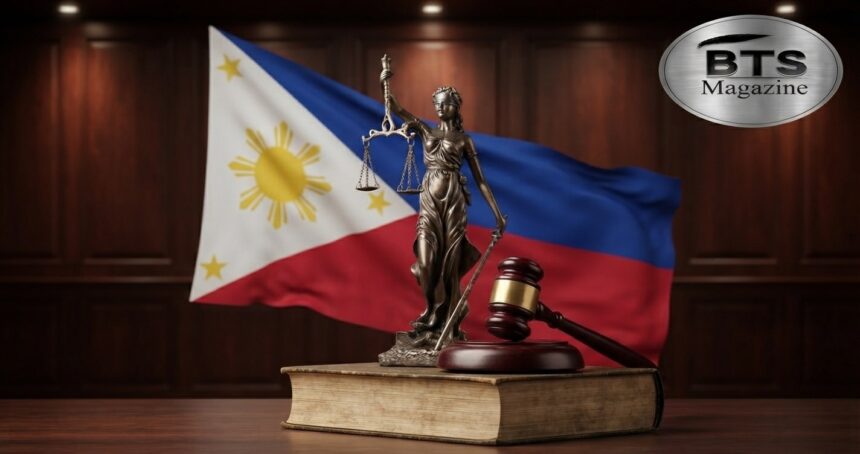
Changing a single date on a receipt might feel harmless. But in the eyes of the law, it can be a serious crime. Every year, people in the Philippines face jail time and heavy fines for altering documents they thought were “no big deal.”
- What Are Philippines Document Alteration Laws?
- Why Are These Laws Important?
- Key Features of the Law
- Step-by-Step Guide: What Happens in an Alteration Case
- Common Mistakes to Avoid
- Expert Tips / Pro Tips
- FAQs
- What counts as document alteration in the Philippines?
- Is altering a private document also illegal?
- What are the penalties for document falsification?
- Can I be charged for using a forged document I didn’t make?
- What if I altered a document by accident?
- How can I fix a real error on an official document?
- Do these laws apply to digital documents?
- Conclusion
Understanding Philippines document alteration laws helps you avoid costly mistakes. This guide breaks down what counts as illegal alteration, the penalties involved, and how to protect yourself. Let’s make it simple and clear.
What Are Philippines Document Alteration Laws?
Philippines document alteration laws are rules that punish anyone who changes, fakes, or forges a document to deceive others. These laws mainly fall under the Revised Penal Code, specifically the sections on document falsification in the Philippines.
In short: altering a document means editing, adding, or removing information to make it appear real or different from the original. If done with intent to defraud, it becomes a criminal act.
This includes changing dates, signatures, amounts, or official seals on both public and private records.
Types of documents covered
The law protects several kinds of records, including:
- Public documents (government IDs, court records, notarized papers)
- Private documents (contracts, letters, personal agreements)
- Commercial documents (checks, receipts, invoices)
- Official documents (permits, licenses, certificates)
You can learn more about the broader concept of falsification of documents and how it applies across legal systems.
Why Are These Laws Important?
Trust is the backbone of every deal, contract, and official record. When someone alters a document, they break that trust and harm real people.
Document alteration laws matter because they protect the reliability of records that businesses, courts, and families depend on daily. They discourage fraud, keep transactions honest, and hold offenders accountable for the damage they cause.
Imagine buying a used car with a “clean” registration, only to find the papers were forged. These laws exist to stop that kind of harm.
Key Features of the Law
Here are the main points that define how alteration cases are handled in the Philippines.
- Intent matters: The law focuses on whether you meant to deceive. Honest mistakes are treated differently from deliberate fraud.
- Harsher penalties for public documents: Faking government records carries stronger punishment than altering private ones.
- Criminal liability applies broadly: Both the person who alters the record and anyone who knowingly uses it can face charges.
- Fines and imprisonment combine: Many cases result in both a jail term and a monetary penalty.
Legal penalties for altered documents can range from a few months to many years in prison, depending on the document and the harm caused.
Step-by-Step Guide: What Happens in an Alteration Case
If someone reports a case of document falsification in the Philippines, here’s how the process usually unfolds.
- Complaint is filed. The victim or authority reports the suspected altered or forged document.
- Investigation begins. Officials examine the document and gather evidence of tampering.
- Preliminary inquiry. A prosecutor checks if there is enough reason to file a formal charge.
- Charges are filed in court. If evidence is strong, the case moves forward.
- Trial and evidence review. Both sides present proof, including expert analysis of the document.
- Verdict and sentencing. If found guilty, the offender faces the penalties set by law.
Throughout this process, proving intent to defraud is often the deciding factor.
Common Mistakes to Avoid
Many people land in legal trouble without realizing they broke the law. Watch out for these mistakes.
- Editing signed contracts: Changing terms after both parties sign can count as falsification.
- “Fixing” dates on receipts or invoices: Even small edits to fake records may lead to criminal liability.
- Forwarding forged documents: Using forged documents you didn’t make still makes you liable if you knew they were fake.
- Altering IDs or certificates: Changing your birthdate or name on official papers is a serious offense.
- Assuming private documents are safe: They are protected too, just with lighter penalties.
A good rule: if a change makes a document say something untrue, don’t do it.
Expert Tips / Pro Tips
Protect yourself and your business with these practical steps.
- Keep original copies safe. Store untouched versions of important papers to prove authenticity later.
- Use proper correction methods. For real errors, request an official amendment instead of editing the document yourself.
- Verify before you sign. Check every date, name, and amount before adding your signature.
- Get things notarized. Notarization adds a layer of protection and makes tampering harder.
- Consult a lawyer for big decisions. When contracts or official records are involved, professional advice prevents costly errors.
Pro tip: If you spot an error after signing, address it through a formal correction, not a quiet edit. This keeps you clear of any legal risks.
FAQs
What counts as document alteration in the Philippines?
Document alteration means changing, adding, or erasing information on a document to deceive others. This includes editing dates, signatures, or amounts. When done with intent to defraud, it becomes falsification and carries criminal liability under the Revised Penal Code.
Is altering a private document also illegal?
Yes. While penalties are lighter than for public documents, altering a private record like a contract or letter is still a crime if it causes damage or intends to deceive another person.
What are the penalties for document falsification?
Legal penalties for altered documents vary by case. They often include imprisonment and fines. Faking public or official documents brings the heaviest punishment, while private document offenses usually carry shorter jail terms.
Can I be charged for using a forged document I didn’t make?
Yes. If you knowingly use forged documents created by someone else, you can face charges too. The law targets both the maker and any user who acts in bad faith.
What if I altered a document by accident?
Intent is key. If you made an honest error with no plan to deceive, the situation is treated differently. Still, correct the mistake properly and keep records showing your good faith.
How can I fix a real error on an official document?
Request an official correction or amendment from the issuing office. Never edit the document yourself. This keeps your changes legal and protects you from legal risks.
Do these laws apply to digital documents?
Yes. Altering electronic files, scanned records, or digital signatures with intent to deceive can also lead to charges under falsification and related cybercrime rules.
Conclusion
Altering a document may seem minor, but the consequences are real. Philippines document alteration laws exist to protect trust in our records and punish those who break it. From forged IDs to edited contracts, deliberate changes can lead to fines and jail time.
The safest path is honesty. Keep originals, fix errors the right way, and verify documents before you sign. When in doubt, ask a qualified lawyer.
Have questions about protecting your records? Share your thoughts in the comments or reach out to a legal professional for guidance tailored to your situation.
Read also: Achieving Competitive Excellence: 10 Ways to Stand Out