

Picking the wrong solvent can cost you time, money, and a lot of frustration. Maybe a part still feels greasy after cleaning. Or a strong smell fills the whole workshop. These small problems add up fast.
- What is Musol Solvent vs Other Solvents
- Why is Musol Solvent vs Other Solvents Important
- Key Features and Benefits
- Cleaning and degreasing power
- Evaporation rate
- Residue and finish
- Safety and odor
- Material compatibility
- Step-by-Step Guide: How to Choose Between Musol Solvent and Others
- Common Mistakes to Avoid
- Expert Tips and Pro Tips
- FAQs
- What is the main difference between Musol solvent and other solvents?
- Is Musol solvent good for degreasing?
- How do I know which solvent evaporates fastest?
- Will a solvent damage plastic or rubber?
- Which solvent leaves the least residue?
- How should I store solvents safely?
- Conclusion
That’s why comparing options matters. In this guide, we look at Musol solvent and how it stacks up against other common solvents. By the end, you’ll understand the key differences in cleaning power, evaporation rate, residue, safety, and compatibility—so you can choose with confidence.
Here’s the short version: no single solvent is “best” for everything. The right choice depends on your task, your materials, and your safety needs. Let’s break it down in plain language.
What is Musol Solvent vs Other Solvents
Musol solvent is a cleaning and degreasing solvent used in industrial and workshop settings. Compared to other solvents, the main differences come down to cleaning strength, evaporation rate, residue level, odor, and material compatibility. Each solvent is built to balance these factors in a slightly different way.
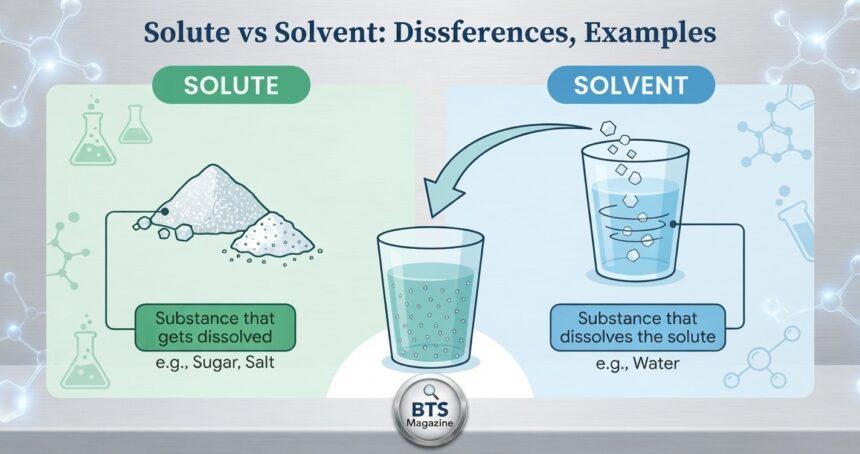
A solvent is simply a liquid that dissolves another substance. You can read a general overview on Wikipedia if you want the science background.
Common solvent types you’ll compare
- Mineral spirits – popular for paint and general cleanup.
- Acetone – fast-drying and very strong.
- Isopropyl alcohol (IPA) – common for electronics and surface prep.
- Citrus-based solvents – milder, plant-derived cleaners.
- Musol solvent – often used as a degreasing and cleaning solvent for industrial parts.
The point isn’t which name sounds best. It’s which one fits your job.
Why is Musol Solvent vs Other Solvents Important
Choosing the right solvent affects your results, your budget, and your health. A solvent that’s too weak leaves residue. One that’s too harsh can damage plastics or seals. And some evaporate so fast they’re hard to work with.
Comparing a Musol solvent to alternatives helps you avoid these traps. You get cleaner parts, safer handling, and less waste. That matters whether you run a factory line or fix things in your garage.
Quick takeaway: the “best” solvent is the one that cleans well, matches your materials, and keeps you safe.
Key Features and Benefits
Every solvent has trade-offs. Here’s how the main features usually differ, so you can spot what matters for your work.
Cleaning and degreasing power
Some solvents cut heavy grease fast. Others are gentler and better for light dust or fingerprints.
- Strong degreasers handle oil, grime, and industrial buildup.
- Milder cleaners suit delicate surfaces and light jobs.
- A good cleaning solvent should remove dirt without leaving film behind.
Evaporation rate
Evaporation rate tells you how fast a solvent dries.
- Fast-drying (like acetone) saves time but can be tricky on large areas.
- Slower-drying solvents give you more working time.
Choose based on how much control you need.
Residue and finish
Low residue means cleaner results with fewer streaks. This matters a lot for painting, coating, or electronics prep.
Safety and odor
Safety is a big deal with any industrial solvent.
- Check flammability and vapor levels.
- Look for lower-odor options in closed spaces.
- Always read the safety data sheet (SDS).
Material compatibility
Compatibility means the solvent won’t harm the surface.
- Test on plastics, rubber seals, and painted parts first.
- Some solvents soften plastics quickly.
Step-by-Step Guide: How to Choose Between Musol Solvent and Others
Here’s a simple solvent comparison process you can follow.
- Define the task. Are you degreasing metal, cleaning electronics, or prepping paint?
- List your materials. Note plastics, rubber, or coatings that could react.
- Check chemical performance. Match cleaning strength to how dirty the surface is.
- Compare evaporation rate. Fast for small jobs, slower for large areas.
- Review residue needs. Low residue for finishes and electronics.
- Read safety info. Look at flammability, vapor, and ventilation needs.
- Test a small spot. Confirm compatibility before full use.
- Buy the right amount. Avoid overstocking solvents you rarely use.
Pro move: write down your results. Next time, you’ll skip the guesswork.
Common Mistakes to Avoid
Small errors cause most solvent problems. Watch for these.
- Mistake: Using the strongest solvent for every job.
Fix: Match strength to the task to protect surfaces. - Mistake: Skipping the compatibility test.
Fix: Always spot-test plastics and seals first. - Mistake: Ignoring the evaporation rate.
Fix: Pick slow-drying options for large surfaces. - Mistake: Poor ventilation.
Fix: Work in open or well-aired spaces and follow the SDS. - Mistake: Storing solvents near heat or sparks.
Fix: Keep them cool, sealed, and away from flames.
Takeaway: most solvent damage comes from rushing. Slow down and test.
Expert Tips and Pro Tips
Use these habits to get better, safer results.
- Match the solvent to the surface, not your habit. The tool you always grab isn’t always right.
- Use less than you think. Apply a small amount, wipe, then repeat if needed.
- Wipe in one direction to lift dirt instead of spreading it.
- Keep clean and dirty rags separate so you don’t re-smear grime.
- Label containers clearly to avoid mix-ups.
- Store safely. Sealed lids reduce evaporation and odor.
Why it works: good technique often beats a stronger solvent. Application matters as much as the product.
FAQs
What is the main difference between Musol solvent and other solvents?
The main difference is how each solvent balances cleaning power, evaporation rate, residue, odor, and material compatibility. A Musol solvent is often used for degreasing and industrial cleaning, while other solvents may focus on fast drying or gentler surface care.
Is Musol solvent good for degreasing?
Degreasing solvents are made to cut oil and grime. If a solvent is positioned for industrial cleaning and degreasing, it can suit heavy grease jobs. Always check the product’s guidance and test compatibility first.
How do I know which solvent evaporates fastest?
Check the product label or SDS for the evaporation rate. As a general rule, acetone dries very fast, alcohols dry moderately fast, and heavier solvents dry slower. Slower drying often gives more working time.
Will a solvent damage plastic or rubber?
It can. Some solvents soften plastics and rubber seals. Always spot-test a hidden area first and confirm compatibility before cleaning the full part.
Which solvent leaves the least residue?
Low-residue solvents are best for painting, coating, and electronics. Alcohol-based cleaners often leave little film. Check the product notes to confirm the expected residue level.
How should I store solvents safely?
Keep solvents in sealed containers, away from heat, sparks, and direct sun. Store in a cool, ventilated area. Follow all safety data sheet instructions for your specific product.
Conclusion
There’s no single winner in the Musol solvent debate. The right choice depends on your task, your materials, and your safety needs. What matters is matching cleaning power, evaporation rate, residue, and compatibility to the job in front of you.
Remember the simple steps: define the task, check your materials, compare performance, and always spot-test first. Good technique and safe storage often matter as much as the solvent itself.
Your next step: review your current cleaning routine and test one small change. Try a proper compatibility test before your next big job, and note the results.
Which solvent problem slows you down most—residue, drying time, or safety? Start there, and you’ll make smarter choices every time.
Read also: Sec 3 POA Notes: Complete Guide for Easy Revision