

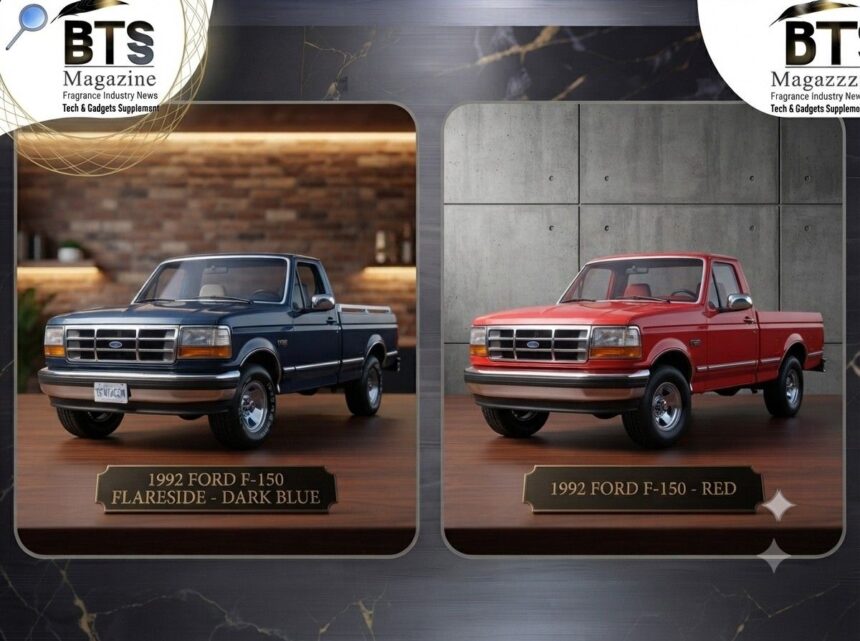
The 1996 F150 holds a special place in truck history. It was the last of its kind before Ford changed everything. If you’ve ever wondered why old-school truck fans still talk about this model, you’re in the right spot.
- A Quick Look at the 1996 Ford F-150
- The History Behind the Ninth Generation
- Engine Options for the 1996 F150
- Cab Styles and Trim Levels
- Specs and Towing Capacity
- Features That Made It Practical
- Reliability: Why These Trucks Last
- Why the 1996 F150 Is Still Popular
- Buying a 1996 Ford F-150 Today
- Ownership Tips for the Long Haul
- Final Thoughts on the 1996 F150
Here’s the thing. The 1996 Ford F-150 marked the final year of the ninth-generation F-Series. After this, Ford rolled out a completely redesigned truck for 1997. That makes the 1996 model kind of a farewell tour for a beloved design.
In this guide, I’ll walk you through the history, engine choices, trims, specs, and why people still love these trucks today. Whether you’re buying one or just curious, you’ll get the full picture.
A Quick Look at the 1996 Ford F-150
To be honest, the 1996 F150 doesn’t look flashy by today’s standards. But that boxy, honest shape is exactly what people miss. It was built to work, and it did that job well.
This truck came from a long line of Ford pickups. The F-Series has been around since 1948, and by 1996 it was already America’s best-selling vehicle for years. That’s a serious reputation.
Why 1996 Was a Big Deal
What’s interesting is that 1996 was the end of an era. The ninth generation had been around since 1992, and this was its last model year. Ford was about to reveal something totally new.
So the 1996 model is the last “classic” F-150 before the modern rounded look took over. Collectors and daily drivers both appreciate that.
The History Behind the Ninth Generation
The ninth-generation F-Series launched for the 1992 model year. It updated the older square-body look with smoother edges and a friendlier cabin. Nothing crazy, just smart improvements.
By the time the 1996 F150 rolled off the line, Ford had refined the formula. You got a dependable pickup truck that felt familiar and tough.
The Shift to the Tenth Generation
In 1996, Ford introduced the tenth-generation F-Series for the 1997 model year. That new design brought a much rounder, aerodynamic body. It was a big visual jump.
Because of that, the 1996 model became the final chapter of the older style. That’s part of what makes it memorable.
Engine Options for the 1996 F150
Let’s talk power. The 1996 Ford F-150 offered a few engine choices, and each one had its fans. You could pick based on how you planned to use the truck.
Here are the main options buyers had:
- 4.9L inline-six – A simple, tough workhorse known for reliability
- 5.0L V8 engine – A solid middle-ground choice with good balance
- 5.8L V8 engine – The bigger option for hauling and towing
The Beloved Inline-Six
Here’s the thing about that 4.9L straight-six. People swear by it. It’s not the fastest, but it just keeps running. Many owners rack up huge mileage on these engines.
The V8 Choices
If you needed more grunt, the V8 engine options delivered. The 5.8L especially helped with heavier loads and towing. It made the 1996 F150 a real work truck.
Cab Styles and Trim Levels
One reason the F-Series stayed so popular is choice. The 1996 F150 came in different cab styles and trims to fit different needs.
Cab Styles
You could generally get:
- Regular cab – Two doors, simple and practical
- Extended cab (SuperCab) – Extra space behind the front seats
These cab styles let buyers pick between pure work use or a bit more room for people and gear.
Trim Levels
The trim options ranged from basic to nicer. The XL was the more work-focused, no-frills setup. The XLT added comfort features and a more finished feel inside.
To be honest, even the higher trims were still pretty simple compared to trucks today. But that’s part of the charm.
Specs and Towing Capacity
People often ask about the numbers. The 1996 Ford F-150 was a half-ton pickup, so it sat in the light-duty range of the lineup.
Towing capacity depended on the engine, axle ratio, and setup. The bigger V8 engine with the right gearing gave you more towing muscle. If towing mattered, buyers usually went for the 5.8L.
Two-Wheel and Four-Wheel Drive
You could get the 1996 F150 in both 2WD and 4WD. The four-wheel-drive versions handled rough terrain, snow, and job sites better. That flexibility kept the truck useful year-round.
Features That Made It Practical
The 1996 model wasn’t loaded with tech. And honestly, that’s why it aged so well. Fewer gadgets means fewer things to break.
You got straightforward controls, a roomy cabin for the era, and a bed built for real work. It focused on the basics and did them right.
Comfort for Its Time
The XLT trim brought things like nicer seats and extra interior touches. It wasn’t luxury, but it felt comfortable for long drives and daily use.
Reliability: Why These Trucks Last
Here’s where the 1996 F150 really shines. Reliability is the word you’ll hear over and over from owners. These trucks were built simple and tough.
That 4.9L inline-six is famous for going the distance. The V8 engine options also hold up well when maintained. Regular care goes a long way with these motors.
Common Wear Areas
Like any old truck, these have weak spots. Rust is the big one, especially on the body and frame in wet climates. Always check underneath before buying.
Other things to watch include worn suspension parts and aging electrical bits. Nothing unusual for a truck this age, but worth inspecting.
Why the 1996 F150 Is Still Popular
So why do people still want this truck decades later? A few reasons stand out.
- It’s easy and cheap to work on yourself
- Parts are still widely available
- The simple design just keeps running
- It has that classic, honest truck look
What’s interesting is that younger buyers are starting to appreciate these too. They want a used truck without a screen for everything. The 1996 F150 fits that perfectly.
Buying a 1996 Ford F-150 Today
Thinking about picking one up? Smart move, but do your homework first. These trucks vary a lot in condition.
What to Check Before You Buy
Focus on the things that actually matter:
- Rust – Check the frame, bed, and cab corners
- Engine health – Listen for odd noises and check for leaks
- Maintenance history – Records are a great sign
- Transmission – Make sure shifts feel smooth
Fair Pricing Expectations
Prices depend heavily on condition, mileage, and location. A clean, low-rust example costs more. A rough project truck goes for much less. Set your budget based on how much work you’re willing to do.
Ownership Tips for the Long Haul
Owning a 1996 F150 is pretty rewarding if you stay on top of maintenance. Keep up with oil changes, fluids, and rust prevention. That simple routine keeps these trucks alive for years.
The good news? The aftermarket support is strong. You can find replacement parts, upgrades, and plenty of online help from other owners.
Final Thoughts on the 1996 F150
The 1996 Ford F-150 earned its reputation the honest way. It’s tough, simple, and easy to love. As the last of the ninth-generation F-Series, it closed out an era with style and substance.
If you want a dependable pickup truck with real character, this one deserves a look. Just inspect it carefully, keep up with maintenance, and it’ll reward you. For more background on this classic era of Ford trucks, check out the detailed history of the ninth-generation Ford F-Series.