

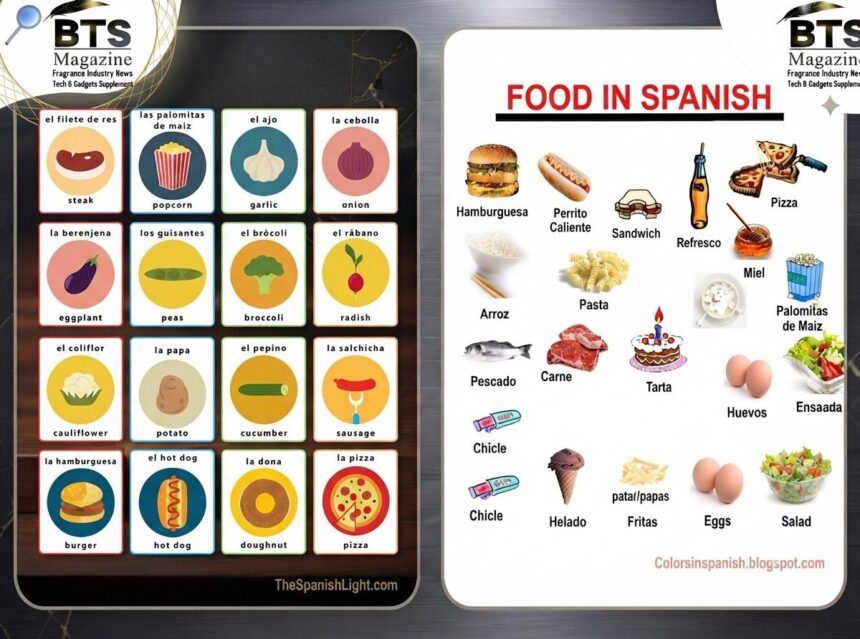
Learning foods in Spanish language is one of the easiest and tastiest ways to start speaking Spanish. Think about it. You eat every single day, so you already have plenty of chances to practice. Once you know the words for your favorite meals, they just stick in your head.
- Why Learning Food Words in Spanish Is So Useful
- A Quick Look at Spanish Food Vocabulary
- The Basics: How to Say “Food” in Spanish
- Spanish Words for Fruits (Frutas)
- Spanish Words for Vegetables (Verduras)
- Spanish Words for Meats (Carnes)
- Spanish Words for Drinks (Bebidas)
- Spanish Words for Everyday Meals
- Common Foods You’ll See on Menus
- The Cultural Side of Spanish Cuisine
- How Food Words Reflect History
- Easy Tips to Learn Foods in Spanish Language Faster
- Common Mistakes Beginners Make
- Putting Your New Words Into Action
- Final Thoughts on Learning Foods in Spanish
Here’s the thing. Food is a huge part of Spanish culture. When you learn these words, you’re not only building your Spanish vocabulary, you’re also getting a peek into how people in Spanish-speaking countries live and eat.
Why Learning Food Words in Spanish Is So Useful
To be honest, food words are some of the most practical Spanish words you can learn. You’ll use them at restaurants, grocery stores, and even when chatting with friends.
They also pop up everywhere. Menus, recipes, food labels, and travel guides are full of common Spanish food names. So this vocabulary pays off fast.
A Quick Look at Spanish Food Vocabulary
Spanish food vocabulary is friendly for beginners. Many words sound similar to English, which makes them easier to remember.
For example, “chocolate” is chocolate, and “banana” is banana in some regions. What’s interesting is that a lot of these words traveled between languages over hundreds of years.
The Basics: How to Say “Food” in Spanish
Before we jump into specific items, let’s cover the big one. The word for “food” in Spanish is comida.
You’ll also hear alimento, which is a bit more formal. But comida is the word you’ll use most in everyday talk.
Spanish Words for Fruits (Frutas)
Fruits are a great starting point. They’re colorful, common, and fun to say out loud.
Here are some food words in Spanish for fruits you should know:
- Apple – manzana
- Banana – plátano
- Orange – naranja
- Strawberry – fresa
- Grape – uva
- Watermelon – sandía
- Pineapple – piña
A Tip for Remembering Fruit Names
Try linking each word to a picture in your mind. When you think of an orange, picture the word naranja right on it. This trick works surprisingly well.
Spanish Words for Vegetables (Verduras)
Vegetables come up a lot in cooking and shopping. Learning them boosts your Spanish vocabulary quickly.
Here are a few common ones:
- Tomato – tomate
- Potato – papa or patata
- Carrot – zanahoria
- Onion – cebolla
- Lettuce – lechuga
- Garlic – ajo
What’s interesting is that “potato” changes depending on the region. In Spain, people say patata. In much of Latin America, it’s papa.
Spanish Words for Meats (Carnes)
If you enjoy a good meal, meat words are a must. These common Spanish food names show up on almost every menu.
- Chicken – pollo
- Beef – carne de res
- Pork – cerdo
- Fish – pescado
- Ham – jamón
Spain is famous for its jamón, so that word alone might win you some friends at the dinner table.
Spanish Words for Drinks (Bebidas)
You can’t talk about food without drinks. The general word for “drink” is bebida.
Here are some handy ones:
- Water – agua
- Milk – leche
- Coffee – café
- Juice – jugo or zumo
- Wine – vino
- Beer – cerveza
Ordering Drinks Like a Local
When you order, you can say “Un café, por favor.” That means “A coffee, please.” Simple, polite, and useful.
Spanish Words for Everyday Meals
Meals have their own words too, and they matter for daily conversations.
- Breakfast – desayuno
- Lunch – almuerzo or comida
- Dinner – cena
- Snack – merienda
In many Spanish-speaking countries, lunch is the biggest meal of the day. That’s a small cultural detail worth knowing.
Common Foods You’ll See on Menus
Some dishes show up again and again in Spanish cuisine. Knowing them helps you order with confidence.
- Bread – pan
- Rice – arroz
- Cheese – queso
- Egg – huevo
- Soup – sopa
- Salad – ensalada
Once you memorize these, reading a menu feels way less scary.
The Cultural Side of Spanish Cuisine
Here’s the thing about Spanish food. It’s tied deeply to family, celebrations, and sharing.
Dishes like paella, tapas, and tortilla española aren’t just meals. They’re social moments. People gather, talk, and eat slowly, and that says a lot about the culture.
Food Differs Across Spanish-Speaking Countries
Spanish is spoken in over 20 countries, so food words and dishes vary. A word used in Mexico might sound odd in Argentina.
For example, popcorn has many names. It’s palomitas in Mexico, pochoclo in Argentina, and cotufas in Venezuela. Same snack, totally different words.
How Food Words Reflect History
What’s interesting is that many food words in Spanish carry history inside them. Some come from Latin, others from Arabic, and a few from indigenous languages of the Americas.
The word chocolate, for instance, comes from Nahuatl, an indigenous language of Mexico. That’s a tasty bit of history right there.
Easy Tips to Learn Foods in Spanish Language Faster
Learning foods in Spanish language doesn’t have to feel like homework. A few smart habits go a long way.
Label Your Kitchen
Stick small notes on items around your home. Put leche on the milk and pan near the bread. You’ll absorb the words without trying too hard.
Practice While You Cook
Say the Spanish words out loud as you grab ingredients. This connects the word to real actions, which helps memory stick.
Use Food Apps and Flashcards
Flashcard apps are perfect for Spanish vocabulary. Review a few food words each day, and they’ll add up fast.
Common Mistakes Beginners Make
One mistake is forgetting that some words change by region. Don’t stress about it. Locals usually understand you either way.
Another one is skipping pronunciation practice. Spanish is pretty consistent, so once you learn the sounds, reading gets easier.
Putting Your New Words Into Action
The best way to lock in these food words in Spanish is to use them right away. Order a coffee, name your groceries, or describe your lunch in Spanish.
Small daily practice beats long study sessions. Trust me on that one.
Final Thoughts on Learning Foods in Spanish
Learning foods in Spanish language is a fun doorway into the whole language. You get useful words, cultural insight, and plenty of daily practice all at once.
And if you ever get curious about where these words come from, it’s worth exploring the influences on the Spanish language. Everyday food and beverage names like aceite (oil) and arroz (rice) actually reflect the rich history behind Spanish cuisine and the many cultures that shaped it. So the next time you say arroz or pour some aceite, remember you’re speaking a little piece of history.
Continue reading: Shuffalo New Yorker: Everything You Need to Know About This Addictive Word Game