

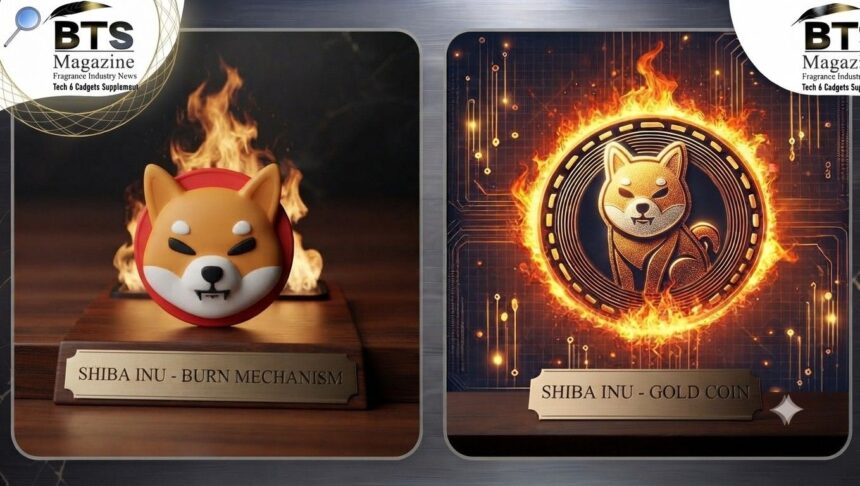
Shiba Inu tokens destroyed is one of those phrases you’ll see all over crypto Twitter, and it can sound scary if you’re new. But here’s the thing: “destroyed” doesn’t mean stolen or lost. It means burned on purpose. In this post, I’ll break down what burning actually is, how it works, why the SHIB community loves it, and whether it truly moves the price.
- What Does “Shiba Inu Tokens Destroyed” Actually Mean?
- How Does the SHIB Token Burn Mechanism Work?
- The Famous Vitalik Buterin SHIB Burn
- Why Does the SHIB Community Destroy Tokens?
- The SHIB Burn Portal Explained
- Tracking the SHIB Burn Rate
- Does Burning Actually Affect the SHIB Price?
- The Bigger SHIB Ecosystem
- Community-Led Burn Efforts
- Should You Care About SHIB Burns?
- Final Thoughts
By the end, you’ll understand the token burn mechanism, the famous Vitalik Buterin burn, and why so many people track the SHIB burn rate every single day.
What Does “Shiba Inu Tokens Destroyed” Actually Mean?
When people say shiba inu tokens destroyed, they’re talking about token burning. That’s the process of permanently removing coins from circulation.
To be honest, “destroyed” is just a dramatic word for “sent somewhere no one can ever touch again.” The tokens still exist on the blockchain. They’re just frozen forever.
Burning vs. Losing Tokens
Losing tokens happens by accident, like forgetting a wallet password. Burning is intentional. Someone chooses to send tokens to a special address to shrink the supply on purpose.
How Does the SHIB Token Burn Mechanism Work?
Here’s where it gets interesting. SHIB is an ERC-20 token, which means it lives on the Ethereum blockchain. Burning uses a simple trick built into how blockchains work.
You send tokens to a “dead wallet,” an address that nobody controls and nobody has the keys to. Once tokens land there, they’re stuck for good.
What Is a Dead Wallet?
A dead wallet is just a public address with no known private key. Think of it like mailing money into a vault that can never be opened again.
The most famous dead wallet address starts with 0x000...dead. Anyone can send tokens there, and everyone can see the balance grow.
Why Blockchains Make Burning Easy
Because every transaction is public, burns are fully transparent. You can verify each shiba inu tokens destroyed event yourself using a block explorer like Etherscan.
The Famous Vitalik Buterin SHIB Burn
You can’t talk about shiba inu tokens destroyed without mentioning Vitalik Buterin, the co-founder of Ethereum. In May 2021, the SHIB team sent him a huge chunk of the total supply.
What’s interesting is that he didn’t keep it. He burned about 410 trillion SHIB tokens by sending them to a dead wallet. At the time, that stash was worth roughly $6.7 billion.
Why That Burn Was Such a Big Deal
That single move removed a massive share of the entire supply in one go. It’s still one of the largest token burns in crypto history.
It also sent a message. Buterin didn’t want to be a “whale” sitting on billions of a meme coin. So he destroyed most of it and donated the rest to charity.
A Quick Note on the Origins
SHIB is a decentralized cryptocurrency launched in August 2020 by an anonymous creator known only as “Ryoshi.” It’s often called a meme coin, inspired by the same Japanese dog breed behind Dogecoin.
Why Does the SHIB Community Destroy Tokens?
The main reason is simple: cryptocurrency supply reduction. SHIB started with a mind-bendingly large supply of one quadrillion tokens.
When you burn tokens, fewer of them exist. And basic supply-and-demand logic says that scarcer things can become more valuable, at least in theory.
The Hope Behind Burning
Here’s the catch. Fewer tokens don’t automatically mean a higher price. Demand still has to show up. Burning only helps if people keep wanting to buy.
Community Pride and Momentum
Beyond price, burns give the community something to rally around. Watching shiba inu tokens destroyed day after day feels like collective progress toward a goal.
The SHIB Burn Portal Explained
In 2022, the team launched an official SHIB burn portal. This gave holders an organized way to burn tokens and earn small rewards for doing it.
The portal turned random, scattered burns into a coordinated effort. It made the whole process feel more like a team sport than a solo act.
How Rewards Worked
Early on, people who burned SHIB could earn a reward token in return. The idea was to encourage more burning while giving something back to loyal holders.
Tracking the SHIB Burn Rate
The SHIB burn rate measures how many tokens get destroyed over a set time, usually 24 hours. Fans watch this number obsessively.
Several tracking websites show live burn stats. When the burn rate spikes, you’ll often see excited posts flooding social media.
Why People Watch the Burn Rate
A rising burn rate can signal community activity and enthusiasm. It doesn’t guarantee anything for the price, but it keeps people engaged and paying attention.
Does Burning Actually Affect the SHIB Price?
This is the big question. And the honest answer is: it’s complicated.
The SHIB price impact from burns depends on scale. Because SHIB’s supply is so enormous, most daily burns remove only a tiny fraction of the total.
The Reality of the Numbers
To really move the needle, you’d need to destroy a gigantic amount of tokens fast. Small daily burns barely dent a supply measured in the hundreds of trillions.
What Really Drives Price
Market sentiment, broader crypto trends, and demand usually matter more than routine burns. Burning helps the story, but it’s rarely the main character in a price rally.
The Bigger SHIB Ecosystem
Burning is just one piece of the puzzle. Over time, SHIB grew from a single meme coin into a full ecosystem with several moving parts.
ShibaSwap
ShibaSwap is the project’s own decentralized exchange. It lets users trade, stake, and provide liquidity within the SHIB world.
LEASH and BONE Tokens
The ecosystem includes two other tokens. LEASH has a very limited supply and was originally tied to a different concept. BONE serves as a governance token, giving holders a say in ecosystem decisions.
Together, these tokens give SHIB more utility than a typical meme coin. That’s part of why the community keeps building.
Community-Led Burn Efforts
Plenty of shiba inu tokens destroyed each day come from regular fans, not the core team. Individual holders burn tokens to support the cause.
Some businesses have even burned SHIB from their profits. Others built apps and games that automatically burn a small amount with each transaction.
Creative Burning Ideas
You might be wondering how people find extra tokens to burn. Many projects donate a portion of their revenue or fees straight to a dead wallet as a marketing hook.
Should You Care About SHIB Burns?
Here’s my take. Burns are fun to follow, and they show a passionate community. But don’t treat a rising burn count as a guaranteed money-maker.
Look at the whole picture: real utility, adoption, and overall market conditions. Burning is a bonus, not a magic wand.
Quick Takeaways
- “Destroyed” means burned to a dead wallet, not lost.
- The token burn mechanism permanently shrinks the supply.
- Vitalik Buterin’s 410 trillion SHIB burn was historic.
- Burn rate is worth watching, but it rarely drives price alone.
Final Thoughts
Shiba inu tokens destroyed will keep making headlines as long as the community stays active. Burning tells a powerful story about scarcity and shared purpose, even when the day-to-day price effect is small.
If you’re curious to dig deeper into how this decentralized cryptocurrency started and grew, the Shiba Inu cryptocurrency Wikipedia page is a solid, neutral place to start. Read up, track the burns yourself, and always do your own research before putting money into any meme coin.
Continue reading: West Nile Virus Symptoms: What You Need to Know Before Mosquito Season Hits