
Communication skills shape almost every part of your day, even when you don’t notice it. From texting a friend to nailing a job interview, how you share and receive information really matters. And here’s the thing: most of us think we’re better at it than we actually are.
- What Are Communication Skills, Really?
- The Main Types of Communication Skills
- Why Communication Skills Matter So Much
- How to Improve Your Communication Skills
- Practice Active Listening
- Watch Your Body Language
- Keep Your Message Simple
- Build Emotional Intelligence
- Practice Public Speaking
- Common Communication Mistakes to Avoid
- Interrupting Others
- Ignoring Non-Verbal Signs
- Overloading With Information
- Assuming You Were Understood
- Simple Tips to Communicate Better Every Day
- Communication Skills and Technology
- Final Thoughts on Building Strong Communication Skills
Good communication isn’t just about talking a lot. It’s about being understood and understanding others too. Let’s break it down in plain language.
What Are Communication Skills, Really?
Communication skills are the abilities you use to share ideas, feelings, and information with other people. They also cover how well you take in what others are trying to tell you.
So it’s a two-way street. You send messages, and you receive them. When both sides work well, communication feels smooth and easy.
To be honest, a lot of misunderstandings happen not because people don’t talk, but because they don’t listen or explain clearly.
The Main Types of Communication Skills
There isn’t just one type. Communication shows up in a few different forms, and each one plays its own role.
Let’s look at the big ones.
Verbal Communication
This is the spoken word. It’s how you talk in meetings, chat with friends, or answer questions during an interview.
Strong verbal communication means choosing the right words, using a clear tone, and speaking at a pace people can follow. It’s not about big vocabulary. It’s about being easy to understand.
Non-Verbal Communication
What’s interesting is that a huge part of communication has nothing to do with words. Your body language, facial expressions, and even how you stand say a lot.
A warm smile or steady eye contact can build trust fast. Crossed arms or a flat expression? That can send the wrong message without you saying a word.
Written Communication
Emails, texts, reports, social media posts — that’s all written communication. And with so much of life happening online, this skill matters more than ever.
Clear writing saves time. Confusing writing creates back-and-forth messages and frustration. Keep it simple, and people will thank you.
Listening Skills
Here’s the part people forget. Listening is a communication skill too, maybe the most important one.
Active listening means you actually focus on the other person instead of planning your reply. You nod, you ask follow-up questions, and you show you care about what they’re saying.
Why Communication Skills Matter So Much
You might be wondering if all this really makes a difference. It does — in almost every area of life.
Let’s talk about a few of them.
In the Workplace
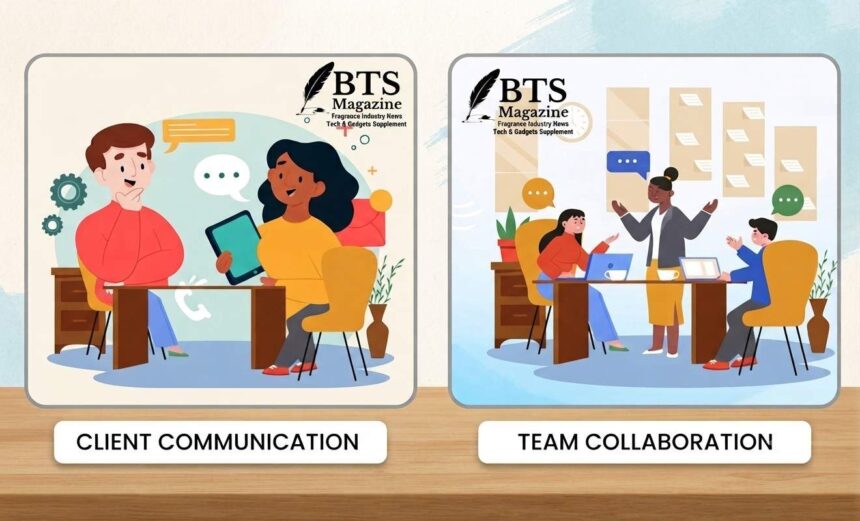
Strong communication skills can push your career forward. People who explain ideas clearly and listen well often get noticed by managers.
Teamwork depends on it too. When coworkers share updates and give honest feedback, projects run smoother. Poor communication, on the other hand, leads to missed deadlines and tension.
Interpersonal skills like these often matter as much as your technical knowledge. A brilliant idea means little if you can’t share it clearly.
In Everyday Life
Outside of work, communication shapes your relationships. Friends, family, partners — every bond gets stronger with honest, kind conversation.
Think about arguments. Most of them grow because someone felt unheard. Good communication helps you sort things out before they blow up.
For Confidence and Growth
The more you practice, the more confident you feel. Speaking up in a group or handling a tough conversation gets easier over time.
That confidence spills into other areas, like public speaking or leading a team. It builds on itself.
How to Improve Your Communication Skills
The good news? Communication skills can be learned. Nobody is born a perfect communicator. It just takes practice and a bit of patience.
Here are some practical ways to get better.
Practice Active Listening
Instead of waiting for your turn to talk, really focus on the person in front of you. Put your phone down. Make eye contact. Repeat back what you heard to make sure you got it right.
This one habit alone can change how people respond to you.
Watch Your Body Language
Your posture and expressions matter. Try to stay open and relaxed. Uncross your arms, face the person, and keep steady eye contact.
Body language often speaks louder than words, so make sure yours matches your message.
Keep Your Message Simple
Don’t overcomplicate things. Whether you’re speaking or writing, aim for clarity over fancy words.
Short sentences work well. Get to the point, then explain if needed. People appreciate content they can follow easily.
Build Emotional Intelligence
Emotional intelligence is your ability to read and manage emotions — yours and other people’s. It’s a big part of great communication.
When you notice someone is stressed or upset, you can adjust your tone and words to match. That kind of awareness makes conversations feel safe and honest.
Practice Public Speaking
Talking in front of a group scares a lot of people. But it’s one of the best ways to sharpen your verbal communication.
Start small. Speak up in meetings. Practice in front of a mirror or a friend. The nerves fade with repetition, I promise.
Common Communication Mistakes to Avoid
Even people with strong communication skills slip up sometimes. Knowing the common traps helps you dodge them.
Here are a few worth watching.
Interrupting Others
Cutting people off tells them their words don’t matter. Let them finish first, even when you’re excited to reply.
Ignoring Non-Verbal Signs
If someone looks confused or uncomfortable, notice it. Reading those cues lets you adjust before things go sideways.
Overloading With Information
Dumping too much at once overwhelms people. Break big ideas into smaller pieces. It’s kinder and clearer.
Assuming You Were Understood
Just because you said something doesn’t mean it landed. Ask a quick question to check. It saves a lot of confusion later.
Simple Tips to Communicate Better Every Day
Small changes add up. You don’t need a full makeover — just a few smart habits.
Try these:
- Pause before you respond. A short breath helps you think clearly.
- Ask open questions. They invite real conversation instead of one-word answers.
- Match your tone to the moment. Serious topics need a calm, gentle tone.
- Give honest feedback kindly. Be direct, but stay respectful.
- Read more. Good reading naturally strengthens your written communication.
Pick one or two to start. Trying to fix everything at once rarely works.
Communication Skills and Technology
These days, so much of our talking happens through screens. Video calls, chat apps, and email have their own rules.
On video, look at the camera, not the screen. In chats, tone can get lost easily, so choose your words with care. A quick emoji can even soften a message.
The core communication skills stay the same, though. Clarity, kindness, and listening still win.
Final Thoughts on Building Strong Communication Skills
At the end of the day, communication skills are worth every bit of effort you put in. They help you connect, grow, and get your point across in a world full of noise.
You don’t have to be perfect. Just keep practicing your active listening, watch your body language, and stay honest. Little by little, you’ll notice the difference in both your work and personal life.
If you want to explore the topic even deeper, this communication skill overview is a solid place to keep learning. Start small, stay curious, and your interpersonal skills will keep improving over time.
Continue reading: Virginia Sales Tax: Rates, Exemptions, and Everything You Need to Know