
Bezels are one of those little details you probably notice every day without giving them a second thought. They sit around your watch face, frame your phone screen, and hold the gemstone in your favorite ring. Small as they seem, bezels do a lot of quiet work.
- What Are Bezels, Really?
- A Quick Look at the History of Bezels
- The Main Types of Bezels
- Why Watch Bezels Get So Much Attention
- Why Thin Screen Bezels Became a Big Deal
- The Trade-Off With Ultra-Thin Bezels
- Bezel Settings in Jewelry: Pros and Cons
- Full vs. Partial Bezel Settings
- Key Facts About Bezels Worth Remembering
- How to Choose the Right Bezel for Your Needs
- Common Mistakes People Make With Bezels
- Frequently Asked Questions About Bezels
- What are bezels used for?
- Are thin screen bezels better?
- What is a bezel setting in jewelry?
- Do all watch bezels rotate?
- Which is stronger, prong or bezel settings?
- Final Thoughts on Bezels
In this guide, we’ll break down what bezels actually are, where they come from, and why they matter in watches, screens, and jewelry. By the end, you’ll know exactly what people mean when they toss the word “bezel” around.
What Are Bezels, Really?
Here’s the simplest way to think about it. A bezel is a rim or frame that surrounds and often holds something in place. That “something” could be a watch crystal, a phone display, or a diamond.
The word gets used across totally different industries. So when someone says “bezels,” the meaning depends heavily on the context. Watch fans, tech reviewers, and jewelers all use the term, but they’re picturing very different things.
Quick takeaway: A bezel is basically a protective and decorative border. Same idea, different objects.
A Quick Look at the History of Bezels
To be honest, the exact origin of the word is a little fuzzy. It traces back through Old French, and it was originally tied to the sloped edge of a cut gem or a ring that held a stone.
Over time, the meaning stretched. As pocket watches and wristwatches became popular, “bezel” came to describe the ring holding the watch glass. Later, when screens arrived, the term jumped again to describe the border around a display.
What’s interesting is that the core idea never really changed. It’s always been about a frame that holds and protects.
The Main Types of Bezels
Let’s break bezels into the three areas where you’ll hear the word most often. Each one has its own quirks.
Watch Bezels
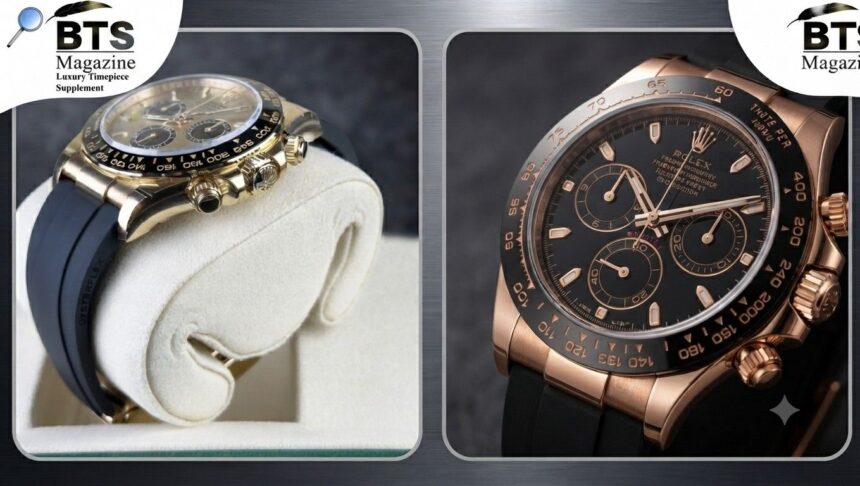
Watch bezels are the rings that sit around the watch face. Some are purely decorative, while others actually do something useful.
Take a dive watch, for example. Its rotating bezel lets divers track how long they’ve been underwater. That’s not just for looks — it’s a genuine safety feature.
Screen and Display Bezels
Screen bezels are the borders around your phone, tablet, laptop, or TV display. For years, phones had thick bezels, and honestly nobody complained much.
These days, thin bezels are a big selling point. Manufacturers push “edge-to-edge” screens because slim bezels look modern and give you more viewing space in a smaller device.
Jewelry Bezels and Bezel Settings
In jewelry, a bezel is a metal rim that wraps around a gemstone to hold it in place. This is called a bezel setting, and it’s an alternative to prong settings.
People love bezel settings because they protect the stone well. If you’re rough on your hands, a bezel keeps the gem snug and less likely to snag or chip.
Why Watch Bezels Get So Much Attention
Watch collectors are a passionate bunch, and bezels are a big reason why. The type of bezel can change both the look and the function of a timepiece.
Here are a few common styles you’ll run into:
- Rotating bezels: Often found on dive watches for timing.
- Fixed bezels: Stay in place; usually decorative.
- Tachymeter bezels: Used to measure speed over a set distance.
- GMT bezels: Help track a second time zone.
So what? The bezel isn’t just trim. On many watches, it’s a tool you can actually use.
Why Thin Screen Bezels Became a Big Deal
Not long ago, big bezels around a screen were totally normal. Then design trends shifted hard toward “all screen, no frame.”
Slim bezels make devices feel sleeker and more premium. They also let companies fit larger displays into phones that still fit in your hand.
That said, bezels aren’t useless. They give you something to grip, protect the edges of the display, and leave room for cameras and sensors.
The Trade-Off With Ultra-Thin Bezels
Here’s the thing about super-thin bezels. They look great, but they come with small downsides.
With almost no border, accidental touches happen more often. Your palm might brush the screen and trigger something you didn’t mean to do. So there’s a real balance between style and usability.
Bezel Settings in Jewelry: Pros and Cons
Bezel settings deserve a closer look because they’re a favorite for everyday rings. The metal collar around the stone offers solid protection.
Pros of bezel settings:
- Great durability and stone security
- Smooth edges that don’t snag on clothes
- A clean, modern look
Cons of bezel settings:
- Slightly less sparkle, since less light hits the stone
- Can make a diamond look a touch smaller
If you work with your hands or lead an active life, bezel settings are often the smart pick.
Full vs. Partial Bezel Settings
Not all bezel settings wrap the whole stone. You’ve got two main options here.
A full bezel surrounds the entire gemstone. A partial (or half) bezel only covers two sides, leaving the rest open for more light and sparkle.
Partial bezels give you a nice middle ground. You get some protection while still showing off more of the stone.
Key Facts About Bezels Worth Remembering
Let me pull together a few quick points that sum things up nicely.
- Bezels always act as a frame or rim around something.
- In watches, they can be functional or purely decorative.
- In tech, thinner bezels usually mean a more modern design.
- In jewelry, bezels protect gemstones better than prongs.
- The same word covers very different objects, so context matters.
Micro-summary: Whatever the industry, a bezel is a border that holds, protects, or shows off.
How to Choose the Right Bezel for Your Needs
Choosing wisely depends on what you’re actually after. Think about function first, then looks.
- For a watch: Decide if you want a working bezel (like a dive or GMT bezel) or something purely stylish.
- For a device: Consider whether you value a big screen or an easier grip.
- For a ring: Pick a bezel setting if durability matters, or a partial bezel if you want more sparkle.
Next step: Match the bezel to your lifestyle, not just the trend. That’s how you avoid buyer’s remorse.
Common Mistakes People Make With Bezels
A few misunderstandings pop up again and again. Knowing them can save you some trouble.
- Assuming every watch bezel rotates (many don’t).
- Thinking thin bezels always mean a better phone.
- Believing bezel settings ruin a diamond’s sparkle (they don’t, they just soften it).
Avoiding these little traps helps you shop smarter and appreciate the design more.
Frequently Asked Questions About Bezels
What are bezels used for?
Bezels frame and protect something — a watch crystal, a screen, or a gemstone. Depending on the object, they can also serve a real function, like timing a dive.
Are thin screen bezels better?
Not always. Thin bezels look modern and give you more screen, but they can cause accidental touches and leave less room to grip your device.
What is a bezel setting in jewelry?
A bezel setting is a metal rim that wraps around a gemstone to hold it securely. It’s known for durability and a clean, snag-free look.
Do all watch bezels rotate?
No. Some bezels rotate for functions like dive timing, while many are fixed and purely decorative.
Which is stronger, prong or bezel settings?
Bezel settings are generally stronger. The full metal collar protects the stone from bumps and knocks better than prongs.
Final Thoughts on Bezels
At the end of the day, bezels are a great reminder that small design details carry real weight. Whether they’re framing your watch, your screen, or a sparkling stone, they blend protection with style in a way that’s easy to overlook.
Now that you know the differences, you’ll spot bezels everywhere. And if you ever want a deeper technical breakdown, you can read more on the Wikipedia page for bezels, which covers the topic in even greater detail.
Continue reading: Global Targeted Returns Fund: What It Is and Why Investors Pay Attention to It