

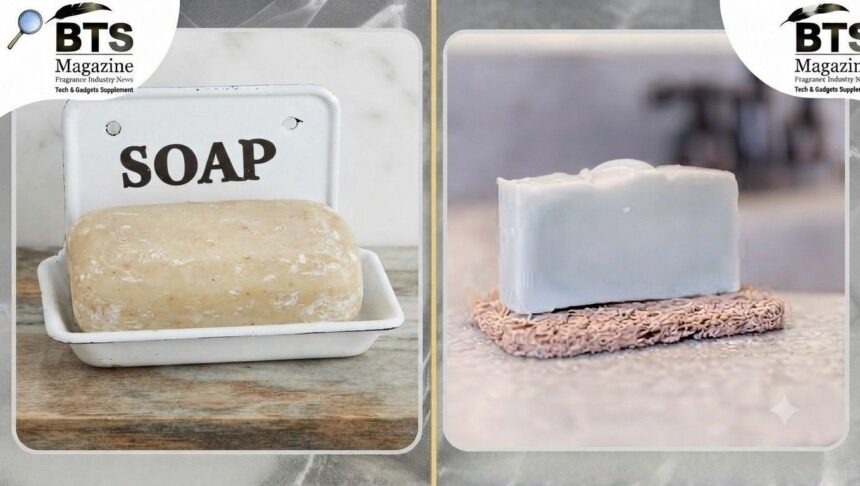
Can soap go bad? It’s a question many people ask after finding an old bar of soap in a bathroom cabinet or a bottle of liquid soap tucked away under the sink. Soap doesn’t come with the same reputation as food, so it’s easy to assume it lasts forever. Here’s the thing—it doesn’t always stay in perfect condition, even though it usually remains safe for a long time.
- What Does “Going Bad” Mean for Soap?
- Why Soap Has a Long Shelf Life
- Different Types of Soap Age Differently
- Can Soap Expire?
- Signs That Soap Has Gone Bad
- Does Old Soap Still Clean?
- Is Expired Soap Safe to Use?
- What Makes Soap Go Bad Faster?
- How Long Does Bar Soap Last?
- Best Ways to Store Soap
- Does Handmade Soap Go Bad Faster?
- Can Bacteria Grow on Soap?
- Does Soap Lose Its Cleaning Power?
- Should You Throw Away Old Soap?
- Common Myths About Soap Expiration
- Environmental Benefits of Using Soap Before Replacing It
- Final Thoughts
If you’ve ever wondered whether expired soap still works, how to tell if it’s gone bad, or whether using old soap is harmful, this guide has the answers. Let’s break it down in simple terms.
What Does “Going Bad” Mean for Soap?
When people ask, can soap go bad, they usually mean one of two things:
- Is it unsafe to use?
- Does it stop cleaning properly?
The answer depends on the type of soap and how it has been stored.
Unlike fresh food, soap doesn’t spoil because of bacteria very easily. That’s because its high pH creates an environment where many microorganisms struggle to survive. Even so, soap can lose quality over time.
Why Soap Has a Long Shelf Life
Soap is made through a chemical process called saponification, where fats or oils react with an alkali such as sodium hydroxide.
The finished product contains ingredients that naturally resist bacterial growth. That’s one reason bars of soap can last for years if stored properly.
What’s interesting is that the cleaning ability often stays longer than the fragrance or appearance.
Different Types of Soap Age Differently
Not all soaps are the same.
Bar Soap
Traditional bar soap usually has the longest shelf life. A well-made bar can remain usable for two to three years or even longer if kept dry.
Liquid Soap
Liquid soap contains water, preservatives, and other ingredients that can slowly break down over time. Most manufacturers recommend using it within two to three years.
Handmade Natural Soap
Natural soaps often contain plant oils, herbs, or essential oils without strong preservatives. These ingredients can become rancid sooner than commercial soaps.
Can Soap Expire?
Yes, technically it can.
Many manufacturers print a “best by” or production date rather than a strict expiration date.
This date mainly reflects quality rather than safety.
Older soap may:
- Lose its scent
- Become harder or softer
- Change color
- Produce less lather
It may still clean your skin effectively.
Signs That Soap Has Gone Bad
Strange Smell
One of the biggest warning signs is an unpleasant odor.
Natural oils can oxidize over time, producing a sour or stale smell.
Color Changes
Some fading is normal.
Dark spots, unusual discoloration, or uneven coloring may indicate the ingredients have aged.
Cracks or Dryness
Very old bar soap may crack or shrink.
This doesn’t automatically mean it’s unusable, but it may not perform as well.
Separation in Liquid Soap
If liquid soap separates into layers and doesn’t mix after shaking, its formula may have broken down.
Does Old Soap Still Clean?
In many cases, yes.
Soap works by lifting dirt and oils away from your skin. Even older soap usually keeps this basic function.
To be honest, the biggest difference you’ll probably notice is weaker fragrance and less luxurious foam.
Cleaning power often remains surprisingly good.
Is Expired Soap Safe to Use?
Most expired commercial soap is still safe if:
- It has been stored correctly
- There is no mold
- It smells normal
- The texture looks reasonable
If you notice mold growth or contamination, it’s better to throw it away.
Liquid soap stored in an open container for a long time has a greater chance of contamination than solid bar soap.
What Makes Soap Go Bad Faster?
Several factors can shorten soap’s life.
Moisture
Leaving soap in standing water allows it to soften and break down faster.
Heat
High temperatures may damage fragrance oils and other ingredients.
Sunlight
Direct sunlight can fade colors and reduce the strength of essential oils.
Air Exposure
Oxygen slowly oxidizes natural oils, especially in handmade soaps.
How Long Does Bar Soap Last?
Here’s a simple guide.
| Soap Type | Typical Shelf Life |
|---|---|
| Commercial bar soap | 2–3 years |
| Handmade natural soap | 1–2 years |
| Medicated soap | Follow manufacturer recommendations |
| Liquid soap | About 2–3 years |
These are general estimates. Storage conditions make a big difference.
Best Ways to Store Soap
Proper storage helps soap stay fresh longer.
Keep It Dry
Use a soap dish with drainage holes.
This prevents water from sitting under the bar.
Store in a Cool Place
Avoid placing unused soap near heaters or sunny windows.
Keep Extra Soap Sealed
Unused bars stay fresher in their original packaging.
A cool, dry closet works well.
Does Handmade Soap Go Bad Faster?
Yes, in many cases.
Handmade soaps often contain:
- Olive oil
- Coconut oil
- Shea butter
- Essential oils
- Natural colorants
These natural ingredients can slowly become rancid.
That doesn’t always make the soap dangerous, but the smell and quality can change.
Can Bacteria Grow on Soap?
People often worry about germs living on soap.
Research shows that regular bar soap does not easily support harmful bacterial growth because of its chemical properties.
Even if bacteria land on the surface, washing with soap and running water removes them effectively.
Still, visibly dirty or contaminated soap should be replaced.
Does Soap Lose Its Cleaning Power?
Eventually, yes—but very slowly.
The fragrance usually fades first.
Then the lather may become weaker.
The actual cleaning ingredients remain effective much longer than many people expect.
That’s why an older bar of soap often still works just fine.
Should You Throw Away Old Soap?
Ask yourself a few simple questions.
- Does it smell normal?
- Is there visible mold?
- Has the liquid separated permanently?
- Does it look heavily contaminated?
If everything appears normal, it’s often still usable.
If something seems unusual, replacing it is the safer choice.
Soap is relatively inexpensive, so there’s little reason to take unnecessary risks.
Common Myths About Soap Expiration
Myth 1: Soap Never Expires
Not exactly.
Quality changes over time even if safety often remains acceptable.
Myth 2: Old Soap Is Dangerous
Usually not.
Commercial soap generally remains safe long after its best-by date when stored properly.
Myth 3: More Foam Means Better Cleaning
Foam mainly affects the user experience.
Good cleaning depends on the soap formula, not just bubbles.
Environmental Benefits of Using Soap Before Replacing It
Throwing away perfectly usable soap creates unnecessary waste.
If an old bar still smells fine and works normally, using it completely helps reduce waste.
Many households also combine small leftover pieces into one larger bar using a soap saver bag.
Small habits like this make products last longer.
Final Thoughts
So, can soap go bad? Yes, but not in the same way food does. Most commercial soaps stay usable for years when stored in a cool, dry place. Over time, you may notice changes in scent, color, texture, or lather, but these changes usually affect quality more than safety. Handmade soaps tend to age faster because they contain natural oils with fewer preservatives. If you’re interested in learning more about how soap is made and the science behind it, the Wikipedia article on Soap is a helpful starting point: https://en.wikipedia.org/wiki/
Continue reading: Judge Orders 12,000 Refugees to Be Admitted: Here’s Everything You Need to Know