

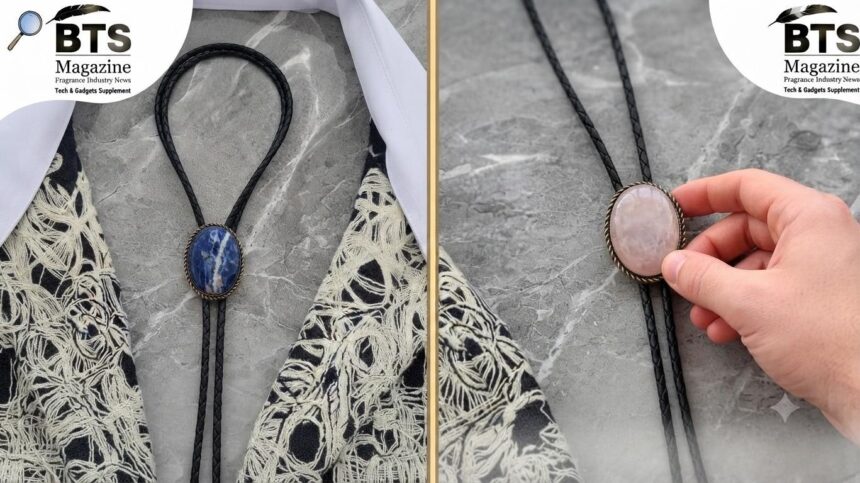
The necktie bolo is one of those accessories that instantly turns heads. It’s not your typical tie, and that’s exactly the point. Instead of a wide strip of fabric knotted at your throat, you get a cord, a slide, and a little bit of personality.
- What Is a Necktie Bolo?
- The History Behind the Bolo Tie
- What Makes Up a Necktie Bolo?
- Styles and Materials You’ll See
- How Is a Necktie Bolo Worn?
- Cultural Significance of the Bolo Tie
- How to Style a Necktie Bolo Today
- Common Mistakes to Avoid
- Key Facts About the Necktie Bolo
- Who Should Wear a Bolo Tie?
- Caring for Your Bolo Tie
- FAQs About the Necktie Bolo
- 1. Is a bolo tie the same as a regular necktie?
- 2. Can you wear a bolo tie to formal events?
- 3. What is the slide on a bolo tie made of?
- 4. Why is it called a shoestring necktie?
- 5. Are bolo ties only for men?
- Final Thoughts
Here’s the thing: the necktie bolo has been around for decades, but a lot of people still don’t know much about it. In this guide, you’ll learn what it is, where it came from, how to wear it, and how to style it today. Whether you’re curious about western fashion or just want a different look, you’re in the right place.
Quick preview of what’s ahead:
- What a bolo tie actually is
- Its history and cultural roots
- How to wear and style it now
What Is a Necktie Bolo?
A necktie bolo, often just called a bolo tie or bola tie, is a type of necktie made from a cord or braided leather instead of fabric. It runs around your neck and is held together by a decorative slide, usually made of metal or stone.
The ends of the cord have small metal tips called aglets. These keep the cord from fraying and add a finished look. Some people call it a shoestring necktie because, well, it kind of looks like one.
To be honest, that’s part of the charm. It’s simple, but it stands out.
The History Behind the Bolo Tie
The bolo tie is strongly tied to the American Southwest. It became popular in the mid-20th century and grew into a symbol of western neckwear over time.
What’s interesting is how deeply it connects to that region. The style has roots in southwestern culture, and Native American silversmiths, especially Zuni and Navajo artisans, helped shape its look with turquoise and silver designs.
Why the Southwest Loved It
The dry, sunny climate of the Southwest made a lightweight tie feel more practical than a bulky fabric one. It fit the lifestyle. Ranchers, cowboys, and everyday folks embraced it as a comfortable alternative.
Official Recognition
Here’s a fun fact: the bolo tie is the official neckwear of a few U.S. states, including Arizona and New Mexico. That’s a big deal for something that started as a casual accessory.
What Makes Up a Necktie Bolo?
Every necktie bolo has a few key parts. Once you know them, you’ll understand the whole thing better.
The Cord
Most bolos use a braided leather cord, though some are made from other materials like fabric or synthetic cords. Leather is the classic choice and holds up well.
The Slide
The slide is the star of the show. It’s the decorative piece that holds the cord together and sits at the front. Slides can feature turquoise, silver, stones, or carved designs.
The Metal Tips
At the ends of the cord, you’ll find the metal tips. These aren’t just decorative. They keep the cord neat and give the tie a polished finish.
Styles and Materials You’ll See
Not all bolo ties look the same. The variety is honestly one of the best parts.
- Turquoise and silver: The most iconic southwestern style
- Leather-heavy designs: Rugged and casual
- Gemstone slides: Onyx, agate, or other polished stones
- Handcrafted artisan pieces: Often one-of-a-kind
Some are simple and understated. Others are bold statement pieces. There’s a necktie bolo for almost every taste.
How Is a Necktie Bolo Worn?
Wearing a bolo is easier than tying a regular tie. You loop the cord around your neck, then slide the ornament up toward your collar.
You control how tight or loose it sits. Some people wear it snug at the collar, while others let it hang a bit lower for a relaxed look.
Collar Choices
A bolo tie looks great with a button-up shirt. Pair it with a collared shirt buttoned all the way up for a classic western feel. It also works with open collars for a more casual vibe.
Cultural Significance of the Bolo Tie
The bolo tie carries real meaning, especially in western and southwestern communities. It’s more than a fashion piece.
For many, it represents regional pride and heritage. The craftsmanship, particularly in Native American designs, reflects skill passed down through generations.
What’s interesting is how it bridges old and new. It honors tradition while still fitting into modern wardrobes.
How to Style a Necktie Bolo Today
You don’t have to be a cowboy to pull off a bolo tie. It’s found its way into modern fashion in fun, unexpected ways.
For a Western Look
Pair your necktie bolo with denim, boots, and a structured shirt. Add a cowboy hat if you’re going all in. This is the classic cowboy accessory approach.
For a Modern Twist
Try a sleek, minimal slide with a plain shirt or even a blazer. A simple metal or stone slide can look surprisingly sharp with contemporary outfits.
For Formal Events
Believe it or not, a bolo tie can work for weddings or dressy occasions. Choose an elegant slide, keep the outfit clean, and let the tie be the accent.
Common Mistakes to Avoid
A few small missteps can throw off the whole look. Here’s what to watch for.
- Wearing it too loose when you’re going for a polished style
- Mismatching the slide with an outfit that clashes
- Ignoring shirt fit, since a good collar makes a big difference
- Overdoing accessories, which can make things feel busy
Keep it balanced, and the necktie bolo will do most of the work for you.
Key Facts About the Necktie Bolo
Let’s round up the highlights in one place:
- It’s also called a bola tie or shoestring necktie
- It uses a braided leather cord instead of fabric
- The slide and metal tips are the defining features
- It’s rooted in southwestern style and western fashion
- It’s the official neckwear of Arizona, New Mexico, and Texas
Simple, right? That’s the beauty of it.
Who Should Wear a Bolo Tie?
Honestly, anyone. There’s no rule saying it’s only for ranchers or western fans.
If you like standing out, appreciate craftsmanship, or just want a break from ordinary ties, the necktie bolo is worth trying. It works for men and women, casual days and special events.
Caring for Your Bolo Tie
A little care keeps your bolo looking great for years.
Wipe the metal tips and slide gently to keep them shiny. For leather cords, avoid soaking them in water. Store the tie flat or hanging so the cord doesn’t get tangled.
Treat it well, and it’ll last a long time.
FAQs About the Necktie Bolo
1. Is a bolo tie the same as a regular necktie?
Not really. A regular tie uses fabric, while a necktie bolo uses a cord or braided leather held together by a decorative slide.
2. Can you wear a bolo tie to formal events?
Yes. Choose an elegant slide and a clean outfit, and it can look great at weddings or dressy occasions.
3. What is the slide on a bolo tie made of?
Slides are often made of metal, silver, turquoise, or other stones. Many are handcrafted, especially in southwestern designs.
4. Why is it called a shoestring necktie?
Because the thin cord resembles a shoestring. It’s just a nickname that stuck over time.
5. Are bolo ties only for men?
Not at all. Both men and women wear them, and there are plenty of styles to fit different tastes.
Final Thoughts
The necktie bolo is a rare mix of history, craft, and personality. It started in the American Southwest, grew into a symbol of western neckwear, and now fits into modern wardrobes with ease.
Whether you go for a bold turquoise slide or a simple leather design, this accessory lets you show off your style without much effort. If you want to explore its full backstory and cultural roots even further, you can check out this detailed bolo tie resource for more. Give one a try, and you might just find your new favorite piece.
Continue reading: Coastal Flood Advisory Explained: What It Actually Means for You