

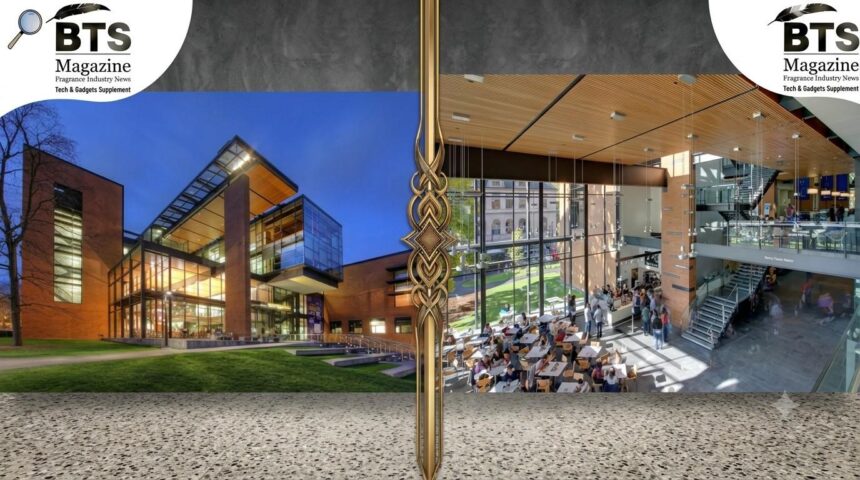
Paccar Hall is one of those buildings on the University of Washington campus that just stands out. If you’ve ever walked through the Seattle campus and spotted a modern, glass-fronted building buzzing with students, there’s a good chance you were looking at it. It’s the heart of the Foster School of Business, and honestly, it’s become a bit of a landmark.
- What Is Paccar Hall?
- When Was Paccar Hall Built?
- Where Is Paccar Hall Located?
- Why Is It Called Paccar Hall?
- What’s Inside Paccar Hall?
- The Connection to Foster Business Library
- Why Paccar Hall Matters for Business Education
- Paccar Hall and the University of Washington Campus
- Who Uses Paccar Hall Every Day?
- What Makes Paccar Hall Stand Out?
- Is Paccar Hall Open to the Public?
- A Quick Recap of Paccar Hall
- Frequently Asked Questions About Paccar Hall
- 1. When was Paccar Hall built?
- 2. What is Paccar Hall used for?
- 3. How many classrooms are in Paccar Hall?
- 4. Is Paccar Hall connected to a library?
- 5. Where is Paccar Hall located?
- Final Thoughts on Paccar Hall
Let’s break down what makes this place special, why it was built, and what actually happens inside.
What Is Paccar Hall?
Here’s the simplest way to put it. Paccar Hall is the flagship building of the Foster School of Business at the University of Washington. It opened its doors in 2010 and has served as the main hub for business education ever since.
The building brings together classrooms, offices, and student spaces under one roof. That mix is what makes it feel alive throughout the day.
When Was Paccar Hall Built?
Paccar Hall was constructed in 2010. That makes it a fairly modern addition to the University of Washington campus, especially compared to some of the older, historic buildings you’ll find nearby.
To be honest, 2010 might not sound that long ago, but in the world of university buildings, it’s still considered fresh and up to date.
Where Is Paccar Hall Located?
You’ll find Paccar Hall on the University of Washington campus in Seattle. It sits within the section of campus dedicated to the Foster School of Business.
What’s interesting is how well it connects to other parts of the business school. It doesn’t feel like an isolated building. It’s part of a bigger learning environment.
Why Is It Called Paccar Hall?
The name comes from PACCAR, which is a well-known company. Buildings on university campuses are often named after companies, families, or donors who help make construction possible.
I won’t guess at the exact details of the naming arrangement, since I don’t have that confirmed here. But the connection to the PACCAR name is what gives the building its title.
What’s Inside Paccar Hall?
This is where things get interesting. Paccar Hall isn’t just a big empty shell. It’s packed with useful spaces built for learning and working.
Offices and Faculty Spaces
The building includes 124 offices. That’s a lot of room for faculty, staff, and the people who keep the business school running day to day.
Classrooms
There are 19 classrooms inside Paccar Hall. These are the spaces where students attend lectures, work through case studies, and get their business education.
The 250-Seat Auditorium
One of the standout features is a 250-seat auditorium. This kind of space is perfect for big lectures, guest speakers, and larger events.
Here’s the thing about a space like this. It brings people together in a way that smaller rooms just can’t.
Breakout Rooms
Paccar Hall also has 28 breakout rooms. These smaller spaces are made for group discussions and team projects.
Business school is a lot about teamwork, so having nearly 30 rooms just for small group work is a big deal.
Cafe and Commons Area
The building has a cafe and a commons area too. These spots give students a place to grab a coffee, relax, or study between classes.
Honestly, a good commons area can make or break how comfortable a building feels. It’s the social glue.
The Connection to Foster Business Library
Paccar Hall doesn’t stand completely alone. It connects to the Foster Business Library, which is worth knowing about.
The library is a 21,500 square-foot facility that opened back in 1997. So it actually predates Paccar Hall by more than a decade.
What’s really cool is where it sits. The Foster Business Library is located under a garden. Yes, you read that right, it’s tucked beneath a garden space, and it links up with Paccar Hall.
Why Paccar Hall Matters for Business Education
Let me explain why a building like this is more than just bricks and glass. A modern space shapes how students learn.
When you’ve got dedicated classrooms, breakout rooms, and a big auditorium all in one place, learning becomes smoother. Students aren’t scattered across campus. They’re together.
For the UW business school, Paccar Hall represents a real investment in the student experience. That matters when you’re trying to attract talented people to business education.
Paccar Hall and the University of Washington Campus
The University of Washington campus in Seattle is huge and full of history. Adding a modern building like Paccar Hall gave the campus a fresh, contemporary feel in the business area.
It’s a nice contrast, really. You’ve got older, traditional buildings sitting near this sleek, newer structure.
Who Uses Paccar Hall Every Day?
Mostly, it’s students and faculty tied to the Foster School of Business. Undergraduates, graduate students, and professors all pass through its halls.
The offices house staff, the classrooms hold lectures, and the commons fills up between classes. It’s a working building, not just a showpiece.
What Makes Paccar Hall Stand Out?
A few things set it apart. The scale, for one. With 124 offices and dozens of rooms, it’s clearly built to handle a lot of people.
The variety of spaces also stands out. You get big lecture halls, small breakout rooms, a cafe, and library access all connected together. That flexibility is rare.
Is Paccar Hall Open to the Public?
Access rules for university buildings can change, and I don’t have confirmed details on current public access here. Generally, spaces like this focus on students, faculty, and campus visitors.
If you want to visit, it’s best to check directly with the University of Washington for the latest guidelines.
A Quick Recap of Paccar Hall
Let’s pull it all together. Paccar Hall opened in 2010 as the flagship building of the Foster School of Business. It holds 124 offices, 19 classrooms, a 250-seat auditorium, and 28 breakout rooms, plus a cafe and commons.
It also connects to the Foster Business Library, that 21,500 square-foot space beneath a garden that opened in 1997.
Frequently Asked Questions About Paccar Hall
1. When was Paccar Hall built?
Paccar Hall was constructed in 2010 at the University of Washington. That makes it a relatively modern part of the Seattle campus.
2. What is Paccar Hall used for?
It serves as the flagship building of the Foster School of Business. Inside, you’ll find classrooms, faculty offices, an auditorium, breakout rooms, and a cafe and commons.
3. How many classrooms are in Paccar Hall?
There are 19 classrooms in Paccar Hall, along with a 250-seat auditorium and 28 breakout rooms for smaller group work.
4. Is Paccar Hall connected to a library?
Yes. Paccar Hall connects to the Foster Business Library, a 21,500 square-foot facility that opened in 1997 and sits beneath a garden.
5. Where is Paccar Hall located?
It’s on the University of Washington campus in Seattle, within the area dedicated to the Foster School of Business.
Final Thoughts on Paccar Hall
So there you have it. Paccar Hall is more than just another building on campus. It’s a central piece of business education at the University of Washington, built to bring students, faculty, and resources together in one modern space.
Whether it’s the big auditorium, the many breakout rooms, or the connected library, everything points to one goal: making the Foster School of Business a great place to learn. If you’d like to read more about the wider school it belongs to, you can check out the Foster School of Business page for extra background.
Continue reading: Dermatitis Explained: What It Is, Why It Happens, and How to Deal With It