

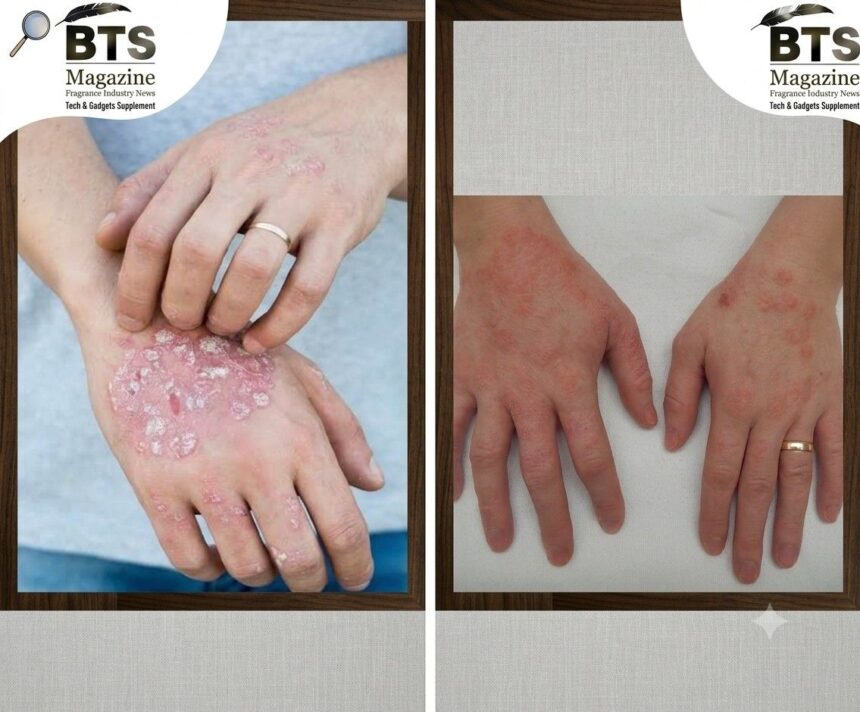
I’ve had moments where my skin just… rebelled. Redness out of nowhere, a patch of dry skin that itched like crazy, or a rash after switching laundry detergent. Turns out, a lot of that falls under the umbrella of dermatitis — and if you’ve dealt with something similar, you’re definitely not alone.
- So What Even Is Dermatitis?
- Why Does Skin Get Like This?
- The Different Types — Because There’s More Than One
- What Triggers It in the First Place?
- What Does It Feel Like?
- Getting a Diagnosis
- How Do You Actually Treat It?
- Preventing Flare-Ups Before They Start
- What It’s Like to Live With It Long-Term
- When Is It Time to See a Doctor?
- How Dermatitis Compares to Other Skin Conditions
- Frequently Asked Questions
- Is dermatitis the same thing as eczema?
- Can dermatitis just go away on its own?
- Can I spread dermatitis to someone else?
- Do certain foods make dermatitis worse?
- How long does a flare-up usually last?
- A Few Last Words
It sounds like a complicated medical word, but it really just means your skin is inflamed and unhappy. Let’s talk about what that actually looks like in real life.
So What Even Is Dermatitis?
Basically, it’s a catch-all term for skin inflammation. Your skin turns red, itchy, sometimes swollen, sometimes flaky — and it can range from mildly annoying to genuinely disruptive.
One thing worth knowing right away: you can’t pass it on to someone, and you can’t catch it from anyone. It’s not an infection. It’s your skin reacting to something — internally or externally.
Why Does Skin Get Like This?
Think about how much your skin handles every day. It comes into contact with water, fabrics, soaps, weather, sweat, and a dozen other things before noon. For most people, that’s fine. But for some, certain triggers set off a reaction.
It could be a fragrance in your lotion. It could be stress from a rough week at work. It could even just be cold, dry winter air that strips moisture from your skin. Everyone’s threshold is different, which is part of what makes dermatitis tricky to pin down.
The Different Types — Because There’s More Than One
Dermatitis isn’t a single condition. It’s actually a family of related conditions, and they each behave a bit differently.
Atopic Dermatitis
Most people know this one as eczema. It’s the type that tends to show up in childhood — those dry, itchy patches on the insides of elbows, behind the knees, or on the face. It often flares up and then calms down, only to come back again.
Adults can have it too, and it’s often tied to a family history of allergies or asthma.
Contact Dermatitis
This one’s more straightforward — something touched your skin and your skin didn’t like it. Could be a metal like nickel, a cleaning spray, a skincare ingredient, or even a plant.
There are two versions: one is a true allergic response (your immune system overreacting), and the other is plain irritation from a harsh substance. Either way, the fix usually starts with figuring out what caused it.
Seborrheic Dermatitis
This type tends to hang around oily parts of the body — the scalp, the sides of the nose, eyebrows, even the chest. On the scalp, most people just call it dandruff.
It causes flaky, sometimes yellowish scales and can make skin look a bit red and greasy. Babies get a version of it too — that’s what cradle cap is.
Less Common But Worth Mentioning
Nummular dermatitis shows up as round, coin-shaped patches of irritated skin. Stasis dermatitis usually affects the lower legs and is linked to circulation problems. They’re less common, but they’re real, and they’re both forms of dermatitis.
What Triggers It in the First Place?
There’s no single answer — which is frustrating, I know. But here are the most common culprits:
- Irritants — harsh soaps, detergents, cleaning products
- Allergens — nickel, fragrances, latex, certain plants like poison ivy
- Genetics — atopic dermatitis especially tends to run in families
- Weather — dry cold air is a classic trigger
- Stress — yes, it can actually make your skin flare up
Sometimes it’s not one thing but a combination. Your skin might handle stress fine on its own, but throw in a new soap during a stressful week and suddenly you’ve got a rash.
What Does It Feel Like?
The most common signs include:
- Persistent itching — often the worst symptom
- Red, irritated, or darkened skin
- Dryness, cracking, or scaling
- Small bumps or a rash
- Swelling in more severe cases
- Blisters that weep or crust over
The itch-scratch cycle is real. You scratch because it itches, and scratching makes it worse, which makes you want to scratch more. Breaking that loop is actually a big part of managing dermatitis.
Getting a Diagnosis
Usually, a doctor can tell just from looking at your skin and asking a few questions — what products you use, whether anyone in your family has had it, when it started.
For contact dermatitis, a patch test might come up. They place small amounts of common allergens on your skin for a couple of days to see what causes a reaction. It’s not fun, but it’s genuinely useful.
A skin biopsy is occasionally done if the diagnosis isn’t clear, but that’s not the norm.
How Do You Actually Treat It?
The goal is to calm the inflammation, restore your skin’s moisture, and stop the itch. Treatment varies depending on the type and severity.
Keeping Skin Moisturized
This sounds too simple, but it really works. A thick, unscented moisturizer applied right after a shower — while your skin is still slightly damp — helps lock in moisture and protect the skin barrier.
Daily moisturizing isn’t just for when you’re flaring up. It’s a long-term habit that makes flare-ups less frequent.
Prescription and Over-the-Counter Creams
Topical corticosteroids are usually the go-to for active flare-ups. They bring down inflammation and redness pretty quickly.
For people who can’t use steroids long-term, there are non-steroidal prescription creams as well. In more persistent or severe cases, oral medications — including biologics for atopic dermatitis — might be on the table. Your doctor will know what’s appropriate.
Dealing With the Itch
Antihistamines can take the edge off, especially at night when itching tends to be worse. A cool, damp cloth on the skin can also help in the moment.
And as much as possible — don’t scratch. Easier said than done, but scratching breaks skin, invites infection, and extends the flare.
Preventing Flare-Ups Before They Start
You won’t always be able to avoid dermatitis completely, but you can make flare-ups less frequent.
- Switch to fragrance-free, gentle skin products
- Moisturize daily — don’t wait until your skin is dry
- Use gloves when handling cleaning products or doing dishes
- Keep showers short and use lukewarm water, not hot
- Pay attention to what seems to trigger your skin and try to avoid it
- Wear soft fabrics; wool and synthetic materials can irritate sensitive skin
Small consistent habits beat big dramatic ones that only last a week.
What It’s Like to Live With It Long-Term
For a lot of people, dermatitis isn’t something that just goes away forever. It cycles. You have good stretches and then you have flares, and over time you start to learn your skin’s patterns.
That knowledge is genuinely powerful. When you know your triggers — a certain brand of soap, cold dry weather, a stressful stretch at work — you can get ahead of a flare instead of chasing it.
It can also take a toll on how you feel about yourself. Visible skin conditions aren’t easy, and it’s okay to acknowledge that. You’re not being dramatic.
When Is It Time to See a Doctor?
Home care works for mild cases. But there are times when you really do need professional input.
If your rash is spreading quickly, looks infected (pus, warmth, unusual pain), or is bad enough to affect your sleep — go see someone. Same if you’ve tried over-the-counter treatments for a couple of weeks with no improvement.
A dermatologist can run the right tests, identify your specific type, and put together a treatment plan that fits you.
How Dermatitis Compares to Other Skin Conditions
It’s easy to mix up dermatitis with psoriasis, ringworm, or other rashes. They can look similar.
Psoriasis, for example, also involves dry, scaly patches — but the underlying cause is different (it’s autoimmune), and it needs different treatment. Fungal infections can look like a rash too. Getting the right diagnosis matters because the wrong treatment just won’t work.
Frequently Asked Questions
Is dermatitis the same thing as eczema?
They overlap, but they’re not exactly the same. Eczema usually refers specifically to atopic dermatitis. Dermatitis is the broader category — so eczema is one type of dermatitis, but dermatitis includes several other conditions too.
Can dermatitis just go away on its own?
Sometimes. If it’s caused by contact with something specific — and you stop using it — the skin can clear up on its own in a few weeks. But chronic forms like atopic dermatitis usually need active management rather than waiting it out.
Can I spread dermatitis to someone else?
No, not at all. It’s not caused by a virus or bacteria. It’s an inflammatory skin reaction, so there’s nothing to pass on.
Do certain foods make dermatitis worse?
For some people with atopic dermatitis, yes. Common ones include dairy, eggs, gluten, and certain nuts. It’s very individual, though. Keeping a food diary can help you notice whether specific foods seem to correlate with flare-ups.
How long does a flare-up usually last?
It really depends on the type and the person. A contact dermatitis reaction might clear up in two to three weeks once the trigger is gone. Atopic dermatitis flares can last longer and come back unpredictably.
A Few Last Words
Dermatitis is one of those things that’s annoying but very much manageable once you actually understand what’s going on with your skin. The more you know about your triggers and your skin’s patterns, the better you get at staying ahead of it.
If you want to go deeper into the research and medical details behind the condition, the Dermatitis article on Wikipedia is a reliable starting point. Take care of your skin — it works hard every single day.
Continue reading: Mix Pitbull Husky: Everything You Need to Know About the Pitsky