

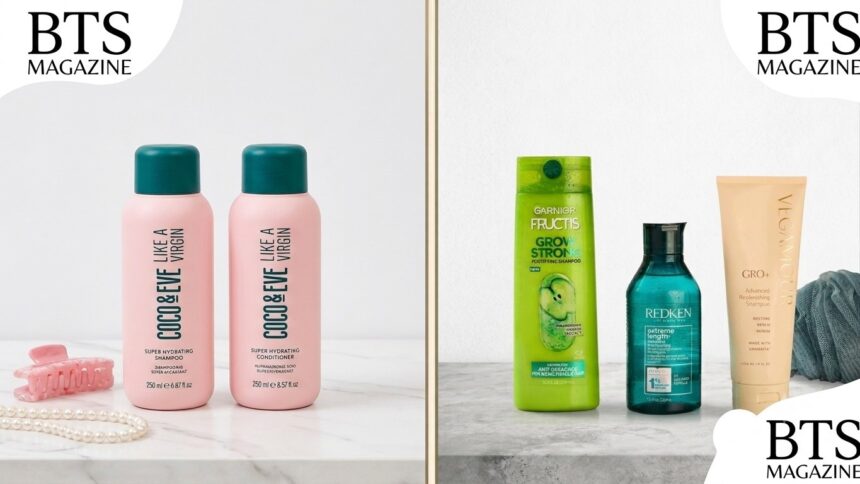
Finding the best shampoo and conditioner sounds simple, but anyone who’s stood in the hair care aisle staring at a hundred bottles knows it isn’t. There’s a lot going on behind those pretty labels. And honestly, the “best” one for your friend might be the worst thing for your hair.
- Why the Right Shampoo and Conditioner Actually Matters
- What Shampoo and Conditioner Really Do
- The Simple Science Behind Healthy Hair
- How to Choose the Best Shampoo and Conditioner for Your Hair Type
- For Dry or Damaged Hair
- For Oily Hair and Scalp
- For Fine or Thin Hair
- For Curly or Coily Hair
- For Color-Treated Hair
- Ingredients to Look For
- Ingredients You Might Want to Avoid
- Key Facts Worth Knowing
- Building a Simple Hair Care Routine
- Common Mistakes to Avoid
- Frequently Asked Questions
- How do I know which is the best shampoo and conditioner for me?
- Should shampoo and conditioner always be from the same brand?
- Is sulfate-free shampoo really better?
- How often should I use a deep conditioner?
- Can the wrong shampoo damage my hair?
- Final Thoughts
So let’s clear things up. In this post, I’ll walk you through how shampoo and conditioner actually work, how to match them to your hair type, and which ingredients are worth looking for. By the end, you’ll know exactly what to grab next time you shop.
Why the Right Shampoo and Conditioner Actually Matters
Here’s the thing: your hair goes through a lot every single day. Heat, pollution, hard water, styling products, and the sun all take a toll.
A good hair care routine starts with the two products you use most. Get those right, and everything else gets easier. Get them wrong, and you’re stuck fighting frizz, buildup, or a dry scalp.
What Shampoo and Conditioner Really Do
People often think shampoo and conditioner do the same job. They don’t. They actually work as a team, each with its own role.
The Job of Shampoo
Shampoo is a cleanser. Its main task is lifting away dirt, oil, sweat, and product buildup from your scalp and strands.
Most shampoos use surfactants — cleaning agents that grab onto grease and rinse it away with water. The catch? Strong cleansers can strip too much, leaving hair dry and dull.
The Job of Conditioner
Conditioner steps in after. It smooths the outer layer of your hair, called the cuticle, so strands feel soft and look shiny.
A good conditioner also locks in moisture and cuts down on tangles. That’s why skipping it usually leaves hair rough and hard to brush.
The Simple Science Behind Healthy Hair
Your hair strand has a protective outer layer made of tiny overlapping scales. When those scales lie flat, hair looks smooth and glossy.
When they lift up — from damage, harsh washing, or heat — hair turns frizzy and breaks easily. What’s interesting is that the best shampoo and conditioner combos work together to keep that cuticle calm and sealed.
Scalp health matters too. A clean, balanced scalp is where healthy growth begins, so don’t ignore what’s happening at the roots.
How to Choose the Best Shampoo and Conditioner for Your Hair Type
This is where most people go wrong. They grab whatever smells nice instead of matching products to their actual hair. Let’s fix that.
For Dry or Damaged Hair
If your hair feels brittle or looks straw-like, you need moisture. Reach for a moisturizing shampoo and a rich, creamy conditioner.
Look for a deep conditioner once a week too. It gives your strands a heavier dose of hydration and helps with damaged hair treatment over time.
For Oily Hair and Scalp
Oily hair needs a lighter touch. A clarifying or balancing shampoo removes excess oil without overdoing it.
Keep conditioner on the ends only, not the roots. That way you avoid weighing your hair down.
For Fine or Thin Hair
Fine hair gets flat fast. Volumizing shampoos and lightweight conditioners are your best friends here.
Skip anything labeled “rich” or “intense.” Those formulas are too heavy and will flatten your look.
For Curly or Coily Hair
Curls crave moisture and gentleness. Sulfate-free shampoo is a smart pick because it cleans without stripping natural oils.
Pair it with a thick, hydrating conditioner. Many people with curls also love natural hair products that skip harsh chemicals altogether.
For Color-Treated Hair
Dyed hair fades quickly with the wrong products. Choose a shampoo made for colored hair, ideally sulfate-free.
These are gentler and help your color last longer between salon visits.
Ingredients to Look For
To be honest, the ingredient list tells you more than the front label ever will. Here’s what’s worth spotting.
- Argan oil and coconut oil — great for adding moisture and shine
- Shea butter — deeply nourishing for dry, thick hair
- Glycerin — pulls in and holds moisture
- Panthenol (pro-vitamin B5) — strengthens and smooths strands
- Aloe vera — soothing and gentle on the scalp
If you have a sensitive scalp, these gentler ingredients usually feel a lot kinder.
Ingredients You Might Want to Avoid
Not every ingredient is a villain, but some can cause trouble for certain hair types.
Harsh sulfates like SLS can be too stripping for dry or curly hair. Heavy silicones may build up over time and leave hair looking limp. And strong drying alcohols can make brittle hair worse.
You don’t have to avoid these completely. Just know your hair and read the label.
Key Facts Worth Knowing
Let me share a few quick truths that clear up common confusion.
- You don’t need to wash your hair every single day. For most people, two to four times a week is plenty.
- Conditioner belongs mainly on the mid-lengths and ends, not the scalp.
- Rinsing with cooler water helps seal the cuticle and boost shine.
- Expensive doesn’t always mean better. Matching the formula to your hair matters more than the price tag.
Building a Simple Hair Care Routine
You don’t need ten products to have great hair. A solid routine is usually just a few steps done consistently.
Start with the best shampoo and conditioner for your type. Add a weekly deep conditioner if your hair is dry or damaged. That’s honestly enough for most people.
Consistency beats complexity every time. Stick with what works instead of chasing every new trend.
Common Mistakes to Avoid
A few small habits can undo all your good product choices.
Using too much shampoo is a big one — a coin-sized amount is usually enough. Skipping conditioner to “save time” leaves hair rough. And piling on heavy products can smother fine hair fast.
Watch these little things, and your results will improve without spending a cent more.
Frequently Asked Questions
How do I know which is the best shampoo and conditioner for me?
Start with your hair type and main concern. Dry hair needs moisture, oily hair needs balance, and curly hair needs gentle, hydrating formulas. Match the product to that, and you’re most of the way there.
Should shampoo and conditioner always be from the same brand?
Not necessarily. Matching brands can help since they’re designed to work together, but mixing is fine as long as both suit your hair type.
Is sulfate-free shampoo really better?
For dry, curly, or color-treated hair, yes — it’s gentler and less stripping. If you have oily hair, a mild sulfate shampoo can still work well for you.
How often should I use a deep conditioner?
Once a week is a good starting point for most people. Very dry or damaged hair may benefit from twice weekly, while oily hair rarely needs it.
Can the wrong shampoo damage my hair?
It can dry it out, cause buildup, or irritate your scalp over time. It won’t ruin your hair overnight, but the right products definitely make a noticeable difference.
Final Thoughts
Picking the best shampoo and conditioner really comes down to knowing your hair and reading the label. Once you match the formula to your type — dry, oily, fine, curly, or colored — the rest falls into place.
Keep your routine simple, watch those common mistakes, and give any new products a few weeks to show results. If you want to go deeper into the ingredients and science behind these products, the Wikipedia page on hair conditioner is a solid place to learn more. Now grab the right bottle and give your hair the care it actually deserves.
Continue reading: Hair Removal Cream: Everything You Need to Know Before You Use It