

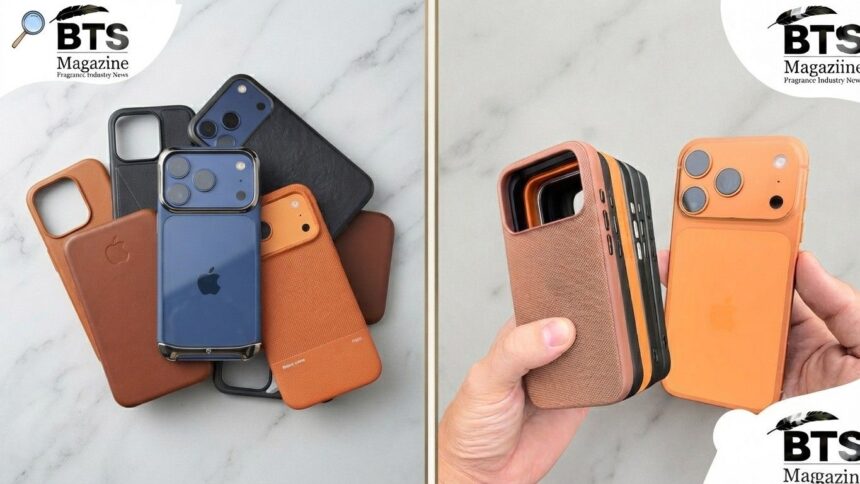
An iphone 17 pro case is one of those purchases people put off, then regret when their brand-new phone hits the pavement. Here’s the thing — the iPhone 17 Pro isn’t a cheap device, and a good case can be the difference between a scratched screen and a phone that still looks new a year later.
- Why the iPhone 17 Pro Deserves a Case
- What a Good iPhone 17 Pro Case Actually Does
- Types of iPhone 17 Pro Cases
- What to Look For When Buying an iPhone 17 Pro Case
- Best Materials and Protection Levels
- MagSafe Compatibility: Why It Matters
- Camera Cutout Considerations
- Thin vs. Rugged: The Real Tradeoff
- What About Pricing?
- Common Mistakes People Make
- Matching the Case to Your Lifestyle
- Extra iPhone 17 Pro Accessories to Consider
- Final Thoughts
In this guide, I’ll walk you through why the case matters, the different types you’ll find, what to actually look for, and roughly what you should expect to pay. No fluff, just the stuff that helps you decide.
Why the iPhone 17 Pro Deserves a Case
To be honest, some phones you could risk going naked. This isn’t one of them.
The iPhone 17 Pro comes with a 6.3-inch display, ProMotion technology with adaptive refresh rates up to 120Hz, and an Always-On display. That’s a lot of glass and a lot of premium tech packed into one slab.
Drop it, and you’re not just cracking a screen — you’re risking the display’s refresh performance and that gorgeous panel Apple worked so hard on.
A Quick Look at the Phone Itself
What’s interesting is how much the design shapes your case choice. The Pro model uses a larger camera setup and a big, bright screen, so the case has to protect both without getting in the way.
If you own the bigger sibling, the iPhone 17 Pro Max case follows the same rules — just sized up. Everything below applies to both.
What a Good iPhone 17 Pro Case Actually Does
A case has one main job: absorb the shock so your phone doesn’t have to. But the good ones do a bit more.
- Protect the screen with a raised lip around the edges
- Shield the camera lenses from scratches
- Add grip so the phone doesn’t slip out of your hand
- Keep the ports and buttons easy to press
The best protective phone case does all of this without turning your sleek phone into a brick.
Types of iPhone 17 Pro Cases
There’s no single “best” case — it depends on how you live with your phone. Let’s break down the main options.
Clear Cases
Clear cases show off the phone’s color and design. People love them because they’re subtle.
The downside? Cheaper clear cases yellow over time. Look for ones made with anti-yellowing materials if you want them to stay crystal clear.
Rugged Cases
A rugged iPhone case is built for drops, dust, and rough handling. These usually have reinforced corners and thicker walls.
If you’re outdoorsy, clumsy, or work with your hands, this is your pick. They add bulk, but they earn it.
Leather and Leather-Style Cases
Leather feels premium and ages nicely. Real leather develops a patina, while synthetic versions stay consistent.
They offer decent protection and a classy look, though they’re not the toughest option out there.
MagSafe Cases
A MagSafe case has magnets built into the back to snap onto chargers, wallets, and mounts. More on this below, because it matters more than most people realize.
What to Look For When Buying an iPhone 17 Pro Case
Here’s my quick checklist before you hand over your money.
- Drop protection rating — check for a stated drop-tested height, like 10 or 15 feet.
- Raised edges — the screen and camera should sit slightly recessed.
- Button feel — tactile, clicky buttons beat mushy ones.
- Precise cutouts — everything should line up with the phone’s ports.
- MagSafe support — even if you don’t use it now, you might later.
Nail these five, and you’ve likely found a solid iphone 17 pro case.
Best Materials and Protection Levels
Different materials handle drops in different ways. Here’s the short version.
- TPU (soft plastic): flexible, absorbs shock well, budget-friendly
- Polycarbonate (hard plastic): rigid, resists scratches, often paired with TPU
- Silicone: grippy and soft, but attracts lint
- Leather: stylish, moderate protection
- Aramid fiber: super thin, strong, and pricey
For the best balance, a hybrid design — hard shell plus soft inner layer — usually wins.
So What Does This Mean for You?
If protection is your top priority, go hybrid or rugged. If looks matter more, leather or a slim shell fits better. Match the material to your real-life habits.
MagSafe Compatibility: Why It Matters
Let me be blunt — buy a MagSafe case if you can.
MagSafe lets your phone snap onto wireless chargers and accessories with a satisfying click. A case without proper magnets weakens that connection, and your charging gets slow or unreliable.
Even if you don’t own MagSafe gear yet, a compatible case future-proofs you. It’s a small thing that saves headaches later.
Camera Cutout Considerations
The iPhone 17 Pro has a notable camera system, and the cutout on your case needs to respect that.
A poorly designed cutout can block a lens, cast shadows in photos, or leave the camera exposed to scratches. Look for a case with a raised metal or plastic ring around the camera area.
That little lip keeps the lenses off the table when you set the phone down. It’s a small design choice that protects an expensive part.
Thin vs. Rugged: The Real Tradeoff
This is where most people get stuck. Do you go slim or go tough?
The Case for Slim
A slim iPhone case keeps the phone light and pocket-friendly. It preserves the design and feels great in the hand.
The tradeoff is less protection. Slim cases handle scratches and minor bumps, but a hard drop can still do damage.
The Case for Rugged
Rugged cases take the hits so your phone doesn’t. They’re the safe bet for peace of mind.
You’ll trade some sleekness for bulk. If you drop your phone often, that trade is worth every millimeter.
What About Pricing?
Prices swing a lot depending on the brand and materials.
- Budget cases: $10–$20 (basic TPU, clear shells)
- Mid-range cases: $25–$45 (MagSafe support, hybrid builds)
- Premium cases: $50–$70+ (leather, aramid fiber, big-name brands)
Here’s my honest take — you don’t need the most expensive option. A well-reviewed mid-range case usually protects just as well as a fancy one.
Common Mistakes People Make
A few slip-ups I see all the time when folks shop for an Apple iPhone case.
- Buying by looks alone — a pretty case that offers no protection is a gamble.
- Skipping MagSafe — then wondering why wireless charging feels off.
- Ignoring reviews — real drop tests from buyers tell you more than marketing.
- Wrong model — double-check it’s for the Pro, not the standard iPhone 17.
Avoid these, and you’re already ahead of most shoppers.
Matching the Case to Your Lifestyle
Think about how you actually use your phone before deciding.
Office worker who’s careful? A slim case is plenty. Parent, traveler, or someone always on the move? Go rugged. Photographer? Prioritize that camera protection ring.
The best iPhone 17 Pro case is the one that fits your day, not someone else’s.
Extra iPhone 17 Pro Accessories to Consider
A case pairs well with a few other add-ons. These round out your setup.
- A tempered glass screen protector
- A MagSafe wallet or stand
- A camera lens protector for extra safety
None of these are mandatory, but together they keep your phone in top shape longer.
Final Thoughts
Picking an iphone 17 pro case doesn’t have to be complicated. Figure out your priority — protection, looks, or grip — then match a material and style to it. Check for MagSafe, a solid camera cutout, and raised edges, and you’re set.
To recap: know your phone, know your habits, and don’t overpay for features you won’t use. A good case protects a serious investment, so it’s worth a few minutes of thought.
If you want to dig into the phone’s full specs before choosing your case, the iPhone 17 Pro Wikipedia page lays out the display, camera, and design details that shaped every recommendation here.
Continue reading: Tardiness: What It Really Means and How to Finally Fix It