

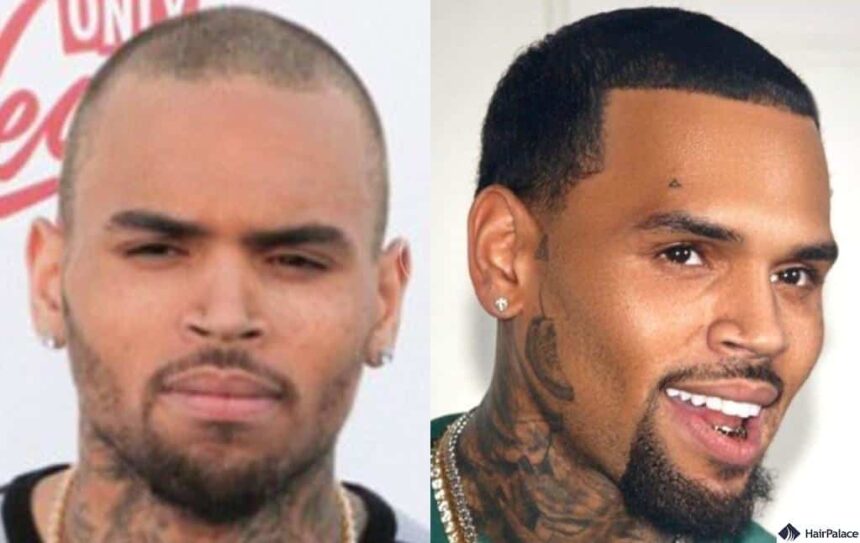
celebrity hair transplants get a lot of attention because people notice even small changes in famous faces. A slightly lower hairline, thicker temples, or a fuller crown can spark weeks of online talk. This post breaks down what hair transplants are, why celebrities may choose them, and what can actually be known versus what is just rumor.
- Why celebrity hair transplants get so much attention
- What a hair transplant actually is
- Why celebrities may choose hair restoration
- How people guess whether a celebrity had a transplant
- What can be verified and what usually cannot
- Common reasons famous people might avoid talking about it
- The role of non-surgical hair loss treatments
- Why before-and-after photos can be tricky
- What makes modern hair transplants look more natural
- Risks and limits people should remember
- Why men are discussed more than women
- The ethics of talking about famous people’s hair
- What readers can actually learn from celebrity cases
- How to think about celebrity hair transplants realistically
Here’s the thing: people search for this topic because they want real answers, not gossip dressed up as fact. So this guide stays grounded. Where details are public, I’ll say so. Where they are unclear, I’ll be honest about that too.
If you’re curious about famous hair restoration, celebrity hairlines, or how modern hair transplant surgery works, this is for you.
Why celebrity hair transplants get so much attention
Hair is one of the first things people notice.
For actors, athletes, singers, and TV personalities, appearance is tied to public image. Cameras, bright lights, high-definition video, and social media close-ups make hair loss more visible than ever. A change that most people might hide with a cap becomes front-page discussion when a celebrity is involved.
What’s interesting is that this interest is not only about looks. It also reflects how common hair loss really is. Many people see celebrity hair transplants as proof that thinning hair can be treated.
What a hair transplant actually is
A hair transplant is a medical procedure that moves hair follicles from one part of the scalp, usually the back or sides, to areas with thinning or baldness.
The basic idea is simple. Doctors take grafts from hair that is more resistant to balding and place them where coverage is needed.
This is why the procedure is often linked with male pattern baldness, receding hairlines, and thinning crowns.
The two main methods
FUT
FUT stands for follicular unit transplantation. In this method, a strip of scalp is removed from the donor area, and individual follicular units are prepared from that strip.
It can provide a large number of grafts, but it may leave a linear scar.
FUE
FUE means follicular unit extraction. Individual follicles are removed one by one from the donor area and then implanted into thinning spots.
FUE is widely discussed in celebrity hair transplants because it usually leaves tiny dot-like scars instead of one long scar. That can matter a lot for people who wear short hairstyles.
Why celebrities may choose hair restoration
Celebrities face image pressure that most people never deal with.
A receding hairline can affect casting, branding, endorsements, and confidence. Some may choose hair restoration for professional reasons. Others may simply want to feel more like themselves again.
To be honest, that’s not very different from regular people. The scale is different, but the motivation often isn’t.
Public image matters
In film, television, music, and sports, appearance can shape audience perception. Fuller hair may help someone maintain a look that fits their public brand.
Confidence plays a role too
Hair loss can hit self-esteem hard.
Even if someone is rich and famous, that does not make them immune to insecurity. Many people who follow celebrity hair transplants connect with that part of the story.
How people guess whether a celebrity had a transplant
Most of the time, the public does not get a full medical statement.
So people look for visible signs. These may include:
| Sign people notice | What it might suggest | Important caution |
|---|---|---|
| Lower hairline | Possible hairline restoration | Styling, makeup, or photos can mislead |
| Fuller temples | Possible graft placement | Lighting can change how density looks |
| Thicker crown | Possible transplant or treatment | Hair fibers or medication may also help |
| Short-term redness | Possible recent procedure | Could be unrelated skin irritation |
| Sudden density change | Possible restoration work | Old vs. new photos are not always comparable |
This is useful as a general guide, but it is not proof. Photos can be edited. Hair can be styled for volume. Some people also use medication, scalp micropigmentation, concealers, or hair systems.
What can be verified and what usually cannot
This is where the topic gets messy.
Some public figures openly talk about surgery or hair restoration. When they do, there is a verified basis for discussion. In many other cases, there is only speculation based on before-and-after photos.
Public confirmation is rare
A few celebrities have openly discussed cosmetic procedures, including hair work. When that happens, the information is much stronger because it comes from the person or a reliable direct source.
Rumors spread faster than facts
A lot of celebrity hair transplants content online is based on visual guessing. That may be interesting, but it should not be treated as confirmed medical history.
Here’s the thing: a fuller hairstyle does not automatically mean surgery.
Common reasons famous people might avoid talking about it
Not every celebrity wants to discuss personal medical treatment.
That does not mean something suspicious happened. It often means they want privacy.
Career concerns
Some may worry that admitting cosmetic work will distract from their talent or invite jokes.
Personal boundaries
Others simply do not want to share medical details with millions of strangers. That is understandable.
The role of non-surgical hair loss treatments
When people talk about celebrity hair transplants, they sometimes ignore the fact that surgery is only one option.
There are other approaches that can improve hair appearance.
Medications
Some people use medications commonly prescribed for pattern hair loss. These may help slow shedding or support regrowth in certain cases.
PRP and similar treatments
Platelet-rich plasma, often called PRP, is a treatment some clinics offer as part of broader hair restoration plans. Results vary, and it is not the same as transplant surgery.
Styling and cosmetic fixes
Hair fibers, strategic cuts, tinted sprays, and professional styling can make a huge difference on camera. A person may look dramatically different without having had any surgery at all.
Why before-and-after photos can be tricky
Before-and-after images drive a lot of interest in celebrity hair transplants, but they can be misleading.
Angles change. Lighting changes. Hair length changes. Wet hair can expose thinning, while dry styled hair can hide it.
A photo from ten years ago next to one from today may also ignore age, treatment, grooming, and image quality. So visual comparisons are interesting, but they are not medical evidence.
What makes modern hair transplants look more natural
Older transplants often had an obvious look. People sometimes called them “pluggy” because the grafts looked unnatural.
Modern techniques are much better when done well.
Better graft placement
Doctors now pay close attention to hair direction, density, and the shape of the hairline.
More natural hairline design
A good result usually avoids a harsh, straight line. Natural hairlines are softer and a bit irregular.
Smaller graft handling
This helps create a less obvious result, especially around the front hairline where people notice details most.
Risks and limits people should remember
Celebrity hair transplants can make the procedure seem easy, but it is still surgery.
That means there are real risks and limits.
Recovery takes time
Newly transplanted hairs do not create instant final results. Early shedding is common, and visible improvement usually takes months.
Donor hair is limited
A transplant moves hair. It does not create new hair from nothing. If donor supply is weak, options may be limited.
Results depend on many factors
Surgeon skill, hair type, pattern of loss, age, and future balding all matter. Not everyone gets the same outcome.
Why men are discussed more than women
Most media coverage around celebrity hair transplants focuses on men.
That is partly because male pattern baldness is common and often easier to spot. Receding temples and crown thinning create visible changes that fans recognize fast.
Women can also experience hair loss and seek treatment. But the causes may be more varied, including hormonal shifts, stress, traction, or diffuse thinning. That can make public discussion more complicated and sometimes more private.
The ethics of talking about famous people’s hair
This topic can be fun, but it should still be handled with care.
There is a difference between discussing public image trends and acting like strangers are entitled to someone’s medical records. The fair approach is to stick to confirmed statements, obvious public changes, and general education about hair restoration.
To be honest, that makes the content more useful anyway.
What readers can actually learn from celebrity cases
The biggest lesson is not which famous person may have had surgery.
It’s that hair loss is common, treatment options exist, and good results usually come from realistic planning rather than magic fixes.
Hair loss is normal
Seeing public figures deal with thinning hair can make the issue feel less isolating.
Good work often looks subtle
The best hair restoration does not scream for attention. It usually looks like the person simply looks refreshed.
Research matters
Anyone interested in treatment should look at clinic credentials, before-and-after cases, and long-term planning, not just celebrity gossip.
How to think about celebrity hair transplants realistically
If you are reading about celebrity hair transplants because you’re considering treatment yourself, try to keep your expectations grounded.
Celebrities often have access to top surgeons, ongoing maintenance, high-level styling, and image teams. Their results may not reflect a typical budget or routine.
Still, the broad lesson holds up. Modern hair transplantation can work well for the right candidate. It just needs proper diagnosis, realistic goals, and patience.
Continue reading: Shoulder Length Haircuts That Always Look Fresh